All

Order Online or Call Now +1-888-333-5226

what to wear to a football game

What to Wear to a Football Game- Top Ideas

Between freezing bleachers, sudden rain showers, and miles of walking from the parking lot. So, ‘what to wear to a football game’ is a high-stakes decision. Whether you’re hitting for a high school rivalry or heading to an NFL stadium, we’ve gathered five top ideas for a cool outfit.  

Our sports accessories experts believe that what to wear to a football game depends on the weather, the stadium, and your team spirit. You want to feel relaxed? Or do you also want to proudly support your team? Let’s begin and help you get ready for game day the right way.

Wear Your Team’s Football Jersey 

A football jersey is the most popular choice for game day. It shows your love for the team. Most jerseys are made from light and breathable fabric. Therefore, they are perfect for long hours in the stadium. You can wear your football jersey with jeans or football shorts. This creates a simple and sporty look.

  • For chilly days: Wear your favorite team jersey over a long-sleeve shirt to stay warm and stylish.
  • For the super-fan: Wear a personalized T-shirt featuring your favorite player’s name and number.
  • For hot weather: Stick to a simple tank top to stay cool during those sunny afternoon games.

Pick Comfortable Football Shorts or Bottoms

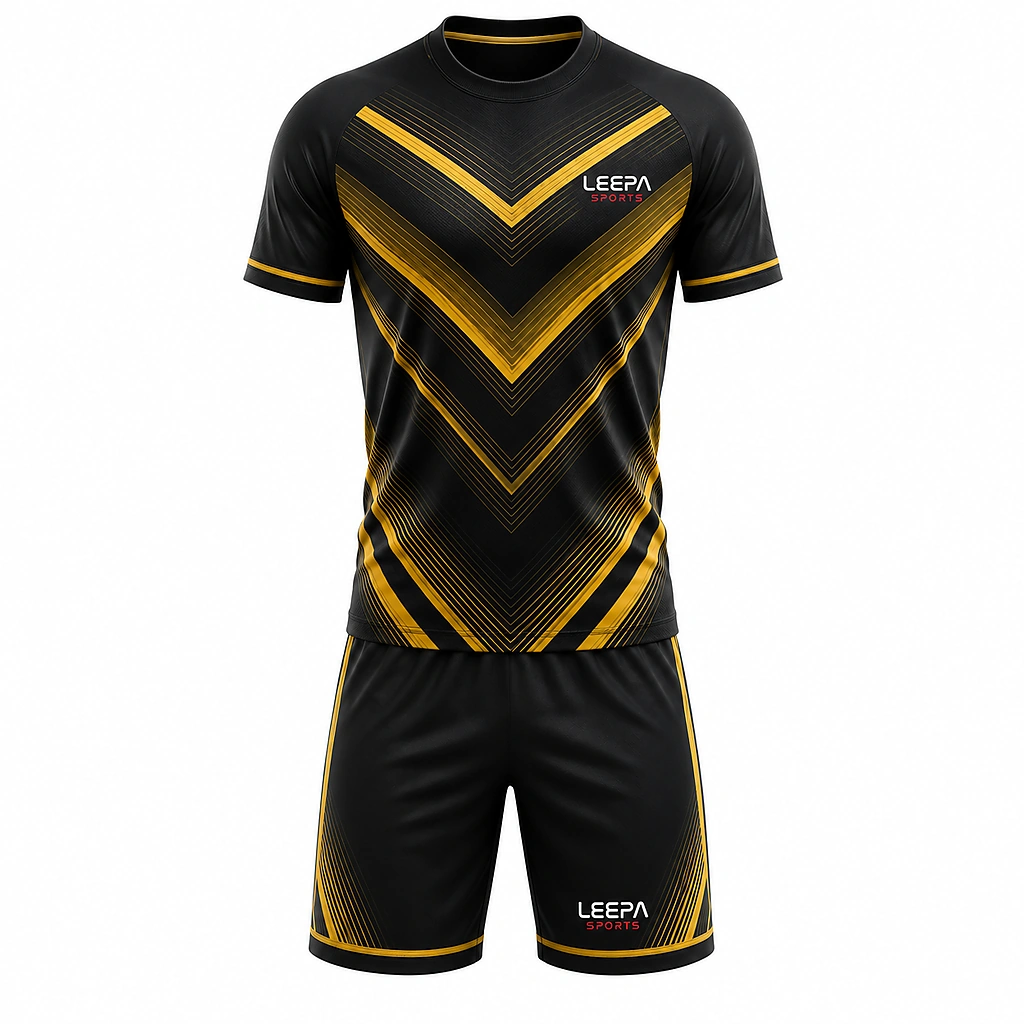
Football shorts are a great option, especially in warm weather. They are light and easy to wear. In addition, they allow free movement. This is helpful when you walk around the stadium or stand and cheer. If the weather is cooler, you can choose joggers or jeans instead. The key point is comfort, so you can cheer all day without getting exhausted. 

Add Layering for Cold Weather

Layering is very important for cold-weather games. First, wear a light base layer under your football jersey. This keeps your body warm. Then, you can add a hoodie or jacket on top. Because of this, you can remove one layer if you feel too warm. Avoid very heavy clothes that make you feel tight. Instead, wear simple layers that allow easy movement. Choose a hoodie with your team logo for extra style. 

Choose Comfortable Shoes

You may walk a lot before and after the game. Also, you may stand for long periods. Therefore, your shoes must feel good. Sneakers are the best choice for a football game. They provide support and comfort. Avoid high heels or very hard shoes. These can cause pain. In addition, choose shoes that match your outfit. 

Smart Tip: Always think about your feet when planning your game day outfit.

Add Accessories for Extra Style

Accessories can make your outfit more fun. For example, you can wear a team cap or scarf. These small items show your team pride. At the same time, they add style to your look.

  • Caps and Hats

Caps and hats are very popular at football games. They protect your face from sunlight. In cold weather, you can wear a warm hat or beanie. It keeps your head warm and comfortable. Many fans wear caps with their team logo.

  • Scarves 

Scarves are great for cold-weather games. They keep your neck warm. In addition, they add color to your outfit. Many scarves come in team colors. This makes them perfect for game day.

  • Sunglasses 

Sunglasses are helpful during sunny days. They protect your eyes from bright light. Choose simple and comfortable ones.

  • Other Accessories 

You can also carry small items like wristbands or a small backpack. However, do not carry heavy bags. Keep it light and easy. 

The Ultimate Game Day Outfit Guide

What to wear to a football game is not hard to decide. You just need to focus on comfort and team spirit. It should include a football jersey, comfortable bottoms like football shorts, and good shoes. Most importantly, feel relaxed and happy. So, plan your outfit wisely and have a great time at the stadium.

Also Read: Leepa Paddles

FAQs

1. Can I wear a football jersey without a full football uniform?
Yes. A football jersey with jeans or football shorts looks great and feels comfortable.

2. Are hoodies good for football games?
Yes. Hoodies keep you warm in cold weather and still show team spirit.

3. What shoes should I wear to a football game?
Wear comfortable sneakers. They help you walk and stand easily.

4. Can I wear football shorts in cold weather?
It is better to wear long pants in cold weather. You can layer for extra warmth.

5. Are accessories important?
Yes. Caps, scarves, and sunglasses add style and show team pride.

7 Tips on How to Wash Football Jerseys

7 Tips on How to Wash Football Jerseys

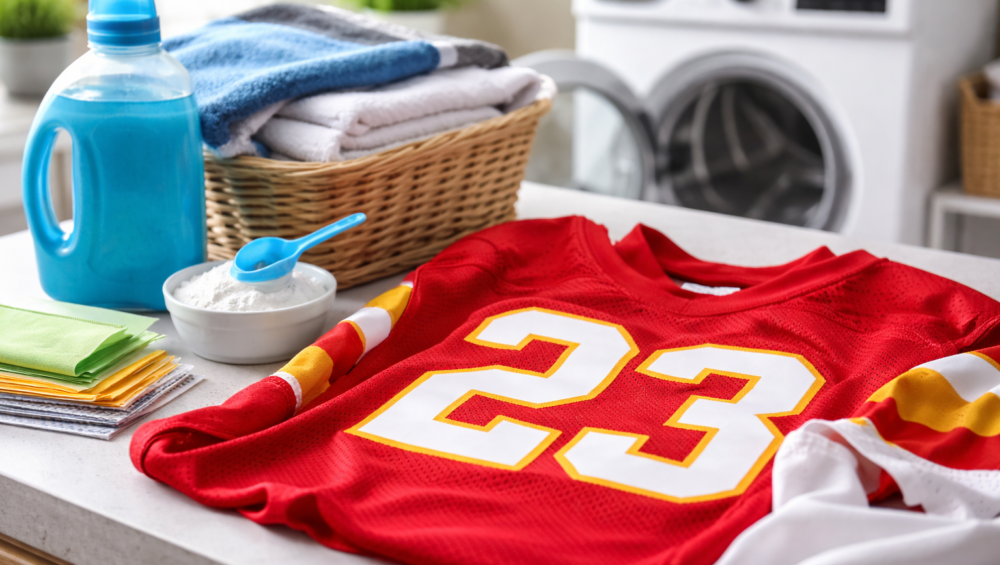
Are you washing your jersey the right way? Many people wash their jerseys like normal shirts. However, that can damage the fabric and peel off the paint. So, it is important to learn the right way. Let’s explore 7 tips on how to wash football jerseys. These steps are easy to follow and help protect the numbers, logos, and names printed on them.

Turn the Jersey Inside Out Before Washing

First of all, always turn your jersey inside out. When you do it, you protect the print from rubbing against other clothes. As a result, the design stays safe. It also reduces friction in the washing machine. Friction can cause cracks and peeling. Therefore, this small action helps your jersey last longer. 

Don’t Use Hot Water

Next, always use normal water. Hot water may seem better for cleaning. However, it can damage the fabric. It can also fade bright colors. In addition, it protects the printed numbers and logos. Hot water can weaken the glue under the print. As a result, the design may peel off. Avoiding this keeps your jersey bright and clean for a long time.

Choose a Mild Detergent

Another important tip is to use a mild detergent. Strong detergents contain harsh chemicals. These chemicals can damage sports fabric. Therefore, always choose a gentle one. It also keeps the fabric soft and smooth.

Avoid Bleach or Fabric Softeners

Many people use fabric softener. However, this is not good for jerseys and football uniforms. Fabric softeners and bleaches can quickly fade colors. In addition, it can weaken the fabric fibers. Therefore, avoid both products. Remember, less is more when washing sportswear.

Wash Separately or With Similar Colors

It is always better to wash your jersey alone, or with similar colors. This prevents color transfer. For example, dark clothes may release dye. As a result, your light jersey may get stained. Also, wash them in light, soft clothes to reduce friction. So your football remains smooth and clean after every wash.

Air Dry Instead of Machine Dry

Drying is just as important as washing. Never use a high-heat dryer. Heat can shrink the fabric. It can also cause the print to crack. Therefore, air drying is the best choice. Keep them away from direct sunlight, as sun exposure can fade the colours over time. 

Treat Stains Quickly

Sometimes, jerseys get grass or mud stains. Use a small amount of mild detergent on the stain. Gently rub it with your fingers. Do not scrub too hard. This can damage the fabric. After that, wash as usual. Quick action helps remove stains easily. So, do not wait too long and clean it as soon as possible.

Conclusion

7 Tips on How to Wash Football Jerseys are simple and easy to follow. Use normal water. Choose a mild detergent. Avoid heat. And always air dry. These small actions make a big difference. Take care of your jersey so that it will last for many games ahead.

FAQs

1. Can I wash my football jersey in hot water?
No. Hot water can fade colors and damage prints. Always use cold water.

2. Can I put my jersey in the dryer?
It is better to air-dry. Heat from dryers can shrink the fabric.

3. How often should I wash my jersey?
Wash it after every game or heavy use. Sweat can damage the fabric over time.

4. Can I iron my football jersey?
Do not iron directly on prints. If needed, turn it inside out and use low heat.

5. What should I do if the print starts peeling?
Avoid heat and wash gently. In some cases, a sports shop can repair it.


Also Explore: Leepa Paddles

What you should wear under a football uniform

What You Should Wear Under a Football Uniform?


What You Should Wear Under a Football Uniform
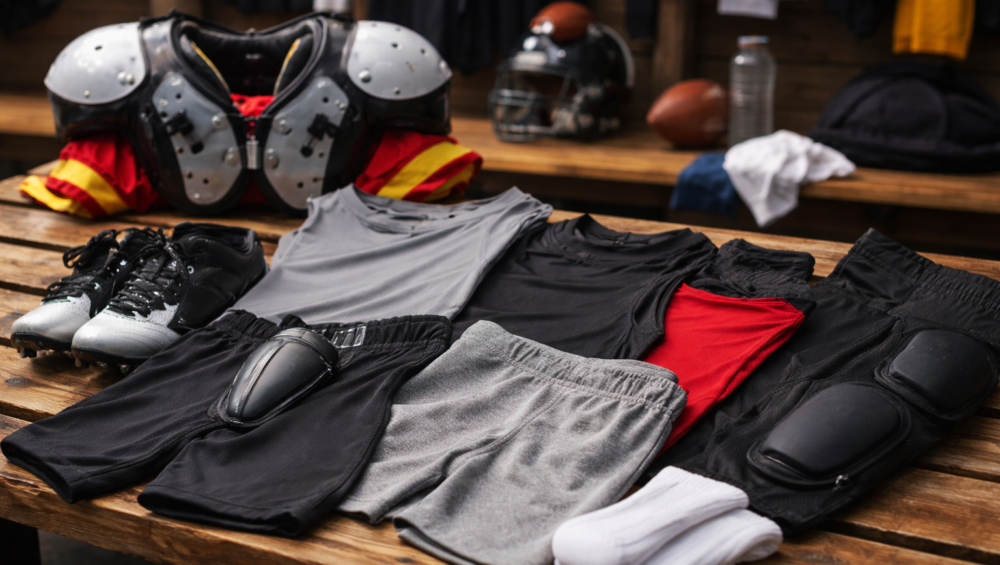
is a common question many players ask before practice or game day. Do you feel confused about what to wear under your gear? Wearing the right base clothing is very important. It helps you move better. It also helps you stay cool or warm, depending on the weather.

In this guide, we’ll explore simple, clean tips for understanding what to wear under a football uniform.

Moisture-Wicking Base Layers

Wearing a moisture-wicking base layer is very important. This layer sits close to your skin. Its job is to pull sweat away from your body. When you run and move fast, you sweat a lot. If sweat stays on your skin, you may feel cold later. So, moisture-wicking fabric keeps you dry and comfortable. Leepa Sports experts recommend the following clothing tips for both cold and hot weather conditions:

1- Layering in Cold Weather

Cold-weather games need extra care. Players often wear long-sleeve shirts under pads. This adds warmth without bulk. Layering helps trap body heat. However, layers should not be too thick. If they are too heavy, movement becomes hard. Therefore, smart layering keeps you warm and flexible.

2- Staying Cool in Hot Weather

Hot weather requires lighter clothing. Sleeveless shirts and tanks work best as they allow air to move around your body. Light fabrics dry fast and prevent overheating. Because of this, you feel fresher during long matches. 

Compression Shirts for Support

Compression shirts are tight-fitting tops. They hug your body gently. This helps support your muscles during play. When muscles feel supported, they move better. As a result, you may feel less tired after the game.

Some players wear sleeveless shirts under their pads. This gives freedom to the arms. Others prefer full sleeves for warmth and protection. Because of these benefits, many athletes choose to wear compression wear under their football jersey for improved performance.

Football Shorts Under Pads

Football shorts are worn under football pants. They add support and protection. Many football shorts include built-in padding. This padding protects the hips and thighs during tackles. In addition, they hold your gear in place. Because of this, your pads do not move around too much. That helps you feel secure while running or jumping. 

Compression shorts are tight and stretchy. They support your leg muscles. As a result, you feel less discomfort during long games.

Athletic Cups for Protection

Protection is very important in football. An athletic cup protects sensitive areas from impact. During tackles, hits can happen quickly. So, wearing a cup adds safety. Most cups fit inside compression shorts. They stay in place during movement. 

Training Vests for Practice

During practice, players often wear training vests. These vests are light and breathable. They are worn over base layers but under pads during drills. Training vests help coaches quickly separate teams. They are also easy to wash and reuse. Because they are sleeveless, they allow free arm movement. 

Protect Your Shoulders with Shoulder Pads

Shoulder pads are a very important part of a football uniform. They protect the shoulders, chest, and upper back from hard hits. These pads help reduce impact force. They are made with strong plastic on the outside and soft padding inside. This lowers the risk of injury. Good shoulder pads give protection, support, and confidence during every game.

Proper Socks for Support

Socks are often forgotten. However, they are very important. Good socks protect your feet from blisters. They also absorb sweat. Choose long sports socks. They protect your legs from cleat rubbing. In cold weather, thicker socks keep feet warm. So, proper socks help you stay comfortable from head to toe.

Avoiding Cotton Clothing

Cotton feels soft but holds moisture. When you sweat, cotton stays wet. This can make you feel heavy and cold. Sports fabrics are better. They dry quickly. They are also more flexible. Therefore, avoid cotton under your football uniform for better comfort and performance.

Conclusion

What You Should Wear Under a Football Uniform plays a big role in comfort and safety. From compression shirts to football shorts, each layer matters. The right base clothing protects your skin. It also supports your muscles. So, choose wisely. Stay comfortable. And play your best in every game.

Read More: Leepa Paddles

FAQs

1. Can I wear a regular T-shirt under my football uniform?

You can, but sports fabric is better because it dries faster.

2. Are compression shirts necessary?

They are not required, but they improve support and comfort.

3. Should I wear shorts under football pants?

Yes, football shorts or compression shorts add protection and support.

4. Can I wear cotton clothing underneath?

It is not recommended because cotton holds sweat.

5. What is the best option for hot weather?

Light, breathable sleeveless shirts or compression tops work best.

Winter football game accessories

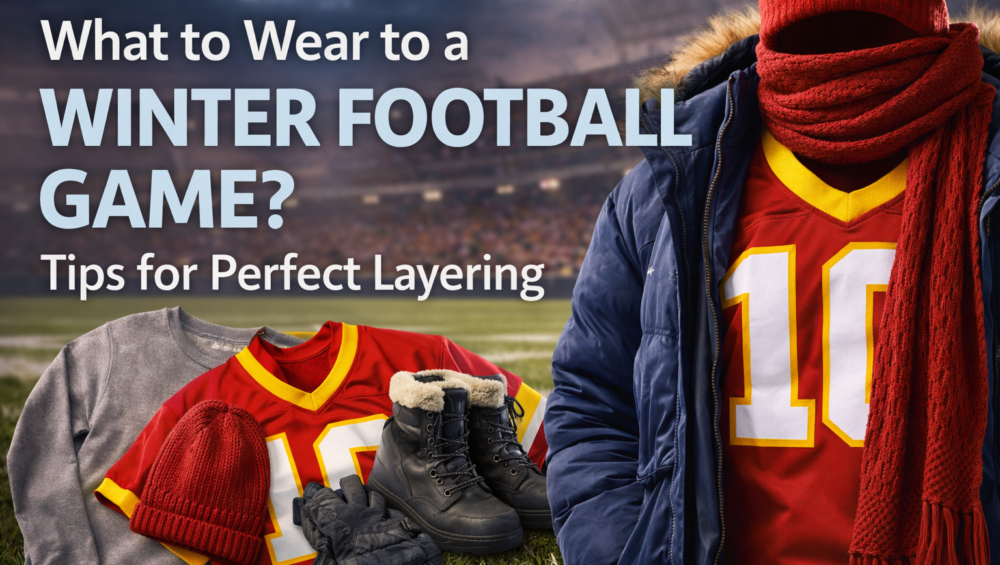
What to Wear to a Winter Football Game?


What to Wear to a Winter Football Game
is a common question many fans ask before heading to the stadium. Are you worried about feeling too cold in the stands? Do you want to stay warm but still look stylish? 

Layering Is the Key

Base Layer

First, wear a base layer. This layer sits close to your skin. It should keep you warm and dry. Thermal wear or long-sleeve shirts are great choices for this layer. They trap body heat. At the same time, they pull sweat away from your skin.

Middle Layer

Next, add a middle layer. This can be a sweater or a hoodie. It adds extra warmth.  Instead, choose thermal tops and bottoms. They fit close to the body and create a warm barrier. 

Outer Layer

Then, finish with a thick outer jacket. A winter coat blocks wind and cold air. So, wearing three layers keeps your body heat inside. Also, if you feel too warm, you can remove one layer. 

Tips to Enjoy the Winter Football Game Without Feeling Cold

  • Choose a Warm Winter Coat

A strong winter coat is very important. It is your main protection against cold wind and snow. Choose a coat that is insulated. Down jackets or padded coats work very well. They hold heat inside and block cold air outside. Also, make sure your coat is waterproof or water-resistant. 

  • Wear Thermal Base Layers

Thermal base layers are worn under your regular clothes. They are thin but very warm. These layers help trap body heat. Because of this, your body stays comfortable even in freezing weather. Choose materials like wool or synthetic fabrics. They keep moisture away from the skin.

  • Pick the Right Hoodies and Jackets

Hoodies and Jackets are perfect for the middle layer. They add warmth and comfort. Fleece and wool are great materials. They hold heat well. At the same time, they feel soft and cozy. You can also choose one in your team’s colours. That way, you stay warm and show support.

  • Protect Your Head and Ears

A lot of body heat escapes from your head. Because of this, wearing a hat is very important. A knit beanie or wool hat works best. It covers your ears and keeps them warm. You can also wear earmuffs or a headband. These protect your ears while keeping your hairstyle neat.

  • Wear Thick and Warm Socks

Feet get cold fast in winter. So, thick socks are very important. Wool socks are a great option. They keep their feet warm and dry. However, make sure your shoes are not too tight. If shoes are tight, blood flow reduces. And that makes feet colder. So, choose socks that fit well. 

  • Choose Insulated Boots

Regular sneakers are not enough for cold stadium seats. Instead, wear insulated boots. Boots protect your feet from cold ground and snow. Waterproof boots are even better. They keep your feet dry. Also, boots with a good grip prevent slipping on icy surfaces. 

Wear Team Colors Smartly

You can still support your team while staying warm. Wear jerseys over thermal layers. Add team hats or scarves. That way, you show team spirit without feeling cold.

Layering team clothes is smart. For example, wear a team hoodie under a winter coat. You stay warm but still represent your team. So, you do not need to sacrifice comfort for style.

Dress Smart and Stay Warm at Winter Football Games

What to Wear to a Winter Football Game can make the difference between comfort and misery. Layer your clothes. Wear a strong coat. Protect your hands, feet, and head. Stay dry and warm.

When you dress properly, you can enjoy every touchdown and cheer loudly without freezing. So, plan ahead. Dress smart. And enjoy your winter football game in comfort and style.

Read More: Leepa Paddles

FAQs

1. Can I wear jeans to a winter football game?

Yes, but wear thermal leggings underneath for extra warmth.

2. Are sneakers okay for winter games?

Sneakers are not ideal. Insulated boots are better for cold and snow.

3. Should I wear two jackets?

It is better to wear layers instead of two heavy jackets.

4. Do I really need gloves?

Yes. Cold hands can make the game uncomfortable.

5. Is a blanket necessary?

It is not required, but it helps a lot in very cold weather.

Modern football helmet on grass field

The Materials Used in Football Helmets

Have you ever wondered what keeps a football player’s head safe during a hard hit? Many people see the helmet but do not realize that the material used in football helmets is responsible for players’ safety. It is not just hard plastic. Instead, it is made from many strong and smart materials. 

Football is a fast and physical game. Players run, jump, and crash into each other. Because of this, head protection is very important. Over the years, helmet design has improved a lot. New materials are now lighter and stronger. Let’s explore more about the materials used in football helmets.

History of Football Helmets

Time PeriodMain Material UsedNew Technology AddedSafety Improvement
1920s – 1940sSoft Leather HelmetsBasic padded head straps insideVery little protection, and it  prevented small cuts
1950s – 1970sHard Plastic Shells (ABS)Suspension systems and face masksGreatly reduced skull fractures
2000s – 2020sAdvanced Composite Materials and TPUTPU padding and 3D lattice designsHigher protection and better shock control

Components of a Modern Football Helmet

Outer Shell

Polycarbonate Shell

Most football helmets use polycarbonate plastic. This material is very strong but still light. It spreads the force of hits over a wide area. Polycarbonate also resists cracking. It works well in hot or cold weather. It can be shaped to fit the head comfortably. 

Advanced Composites

Some modern helmets use advanced composite materials. These are mixtures of plastics and fibers. They help reduce weight without losing protection. Advanced composites also absorb impact better. Because of this, the head is safer from strong hits. Players feel less neck strain because the helmet is lighter. 

Inner Materials

Expanded Polystyrene (EPS) Foam

EPS foam is inside the helmet under the shell. It is light but strong. When a player is hit, EPS compresses. This absorbs energy from the hit and reduces force reaching the brain. EPS foam is also inexpensive and easy to replace, making it practical for schools and leagues that need cost-effective safety solutions.

Vinyl Nitrile Foam Padding

Vinyl nitrile foam is softer than EPS. It adds comfort and extra shock absorption. It is flexible and returns to its shape after pressure. This material helps the helmet fit snugly on the head. This foam also reduces fatigue, because players feel less pressure on the top and sides of their heads.

TPU Cushioning (Thermoplastic Polyurethane)

TPU is used in modern helmets as small soft pods or columns. It is strong but flexible. TPU absorbs energy from hits and spreads it across the head. It works well in hot and cold weather. TPU cushions are lightweight, providing improved protection without making the helmet heavy.

Air Bladder Systems

Air bladders are small pockets filled with air inside helmets. Players can adjust the air to make the helmet fit better. The air pockets also help absorb shocks. When a hit happens, the air spreads the force. This reduces pressure on one spot and allows players to fine-tune the helmet before each game. 

Face Mask (Steel or Titanium)

The face mask protects the face from hits. Most face masks are made from steel. Steel is strong and durable. It can handle heavy impacts. However, steel is heavier than some other metals. Some high-level helmets use titanium face masks. Titanium is lighter than steel but still very strong. As a result, players can move faster. 

Chin Strap Materials

The chin strap keeps the helmet in place. It is usually made from strong nylon straps. The cup part may be made of plastic and foam. Soft padding on the chin cup adds comfort. Strong buckles keep everything locked. Therefore, the chin strap material plays a key role in keeping the helmet stable.

Inner Liner Fabric

Inside the helmet, there is also a fabric lining. This fabric touches the player’s head. It is usually soft and moisture-wicking. That means it pulls sweat away from the skin. Because of this feature, the head stays cooler and drier. Some liners are removable and washable. So, they are easy to clean.

Shock Absorbing Gel Inserts

Some helmets use gel inserts. These are small pads filled with special gel. The gel moves when hit. This movement helps absorb impact energy. Gel inserts can handle repeated impacts. They also provide a soft feel. In addition, gel helps spread force evenly. So, it reduces pressure on one point. 

Carbon Steel Hardware

Helmets have screws and clips. These are often made from carbon steel. Carbon steel is strong and long-lasting. It holds the face mask and other parts in place. If the hardware is weak, the parts may loosen. Therefore, strong metal hardware is important. 

Anti-Microbial Coatings

Some helmets include anti-microbial coatings. These coatings help stop bacterial growth. Because players sweat a lot, helmets can become damp. Bacteria can cause bad smells and skin problems. However, anti-microbial materials reduce this risk. 

Paint and Protective Coatings

The outside of the helmet is painted. This paint is not just for looks. It also adds protection. Special coatings protect the shell from scratches and sun damage. Sunlight can weaken plastic over time. However, protective layers help prevent this. 

Conclusion


The Materials Used in Football Helmets work together to protect players on the field. Each material has a special job. Modern helmets use smart design and strong materials. Because of this, players are safer than before. However, proper fit and care are also important. When all parts work together, the helmet gives the best protection. 

FAQs

1. What is the outer shell of a football helmet made of?

Most outer shells are made from strong polycarbonate plastic.

2. Why is foam important inside the helmet?

Foam absorbs shock and reduces the force of impacts.

3. Are lighter helmets safer?

Lighter helmets can improve comfort. However, safety depends on design and materials.

4. What is TPU in football helmets?

TPU is a flexible material that absorbs impact and lasts long.

5. Why are chin straps important?

Chin straps keep the helmet secure and prevent movement during play.

How to Break in Football Cleats

How to Break in Football Cleats

How to Break in Football Cleats the right way can save your feet from pain. How to Break in Football Cleats is something every football player should learn before game day. Have you ever worn new football cleats and felt tightness or pain? Do your heels hurt or your toes feel squeezed? If yes, you are not alone. New cleats often feel stiff and hard at first. They are not ready for long practice or big matches. That is why breaking them in is very important. When you break in your cleats slowly and safely, they become softer. They start to shape around your feet. Then you can run faster, cut better, and play with more comfort.

Many players make mistakes. They wear new cleats in a full game without testing them first. As a result, they get blisters and sore feet. However, you can avoid this problem. You just need the right steps and some patience. In this guide, you will learn simple and easy ways to break in your football cleats. The steps are safe and helpful. So, let’s begin and protect your feet the right way.

Why Breaking in Football Cleats Is Important

New football cleats are usually stiff. The material is strong and tight. This helps with support and grip. However, at first, they do not match the shape of your feet. Because of this, you may feel pressure on your toes, heels, or sides. If you ignore this problem, you may get blisters. You may also get small cuts or foot pain. Therefore, breaking in your cleats is very important. It helps the shoes become softer and more flexible.

When cleats fit well, your game becomes better. You can run faster. You can turn quickly. You feel balanced and strong. On the other hand, tight cleats can slow you down. They can distract you during play. Also, poor fitting shoes can cause long-term foot problems. For example, you may feel heel pain or arch pain. That is why you must take time to break them in. Slowly wearing them helps the material stretch a little. Over time, they mold to your feet. As a result, you feel more comfort and confidence on the field.

Choose the Right Size Before Breaking Them In

First of all, you must choose the correct size. If your cleats are too small, breaking them in will not fix the problem. They will always feel tight. On the other hand, if they are too big, your feet will slide inside. This can cause blisters. Therefore, picking the right size is the first and most important step. Your toes should not touch the front too hard. Also, your heel should stay in place when you walk.

Moreover, try your cleats with football socks. Thick socks can change the fit. So, always test them while wearing the same socks you use in games. Walk around the store or your home. Check for tight spots. If you feel sharp pain, choose another size. It is better to change size early than suffer later. In short, the right size makes breaking in much easier and safer.


Wear Them at Home First

After buying your cleats, do not rush to the field. Instead, wear them at home. This is a safe and easy step. Walk around your house for 20 to 30 minutes. Sit, stand, and move a little. This helps the shoes bend naturally. At the same time, your feet start adjusting slowly.

Also, wearing them at home helps you find problem areas. For example, you may feel pressure on your heel or little toe. If that happens, you can fix it early. You can adjust the laces or wear thicker socks. Because you are indoors, the cleats will stay clean. So, you can still return them if needed. Therefore, always start small. Home practice is a smart first step.


Use Thick Socks for Extra Protection

Thick socks are very helpful during the break-in period. They add extra padding between your skin and the shoe. As a result, they reduce friction. Less friction means fewer blisters. This is very important in the first few days.

In addition, thick socks help stretch the cleats slightly. When you wear them, the inside of the shoe opens up a bit more. Over time, the material becomes softer. However, do not wear socks that are too thick. Your feet still need space to move. Choose good-quality sports socks. This simple step can make a big difference.

Read more: Leepa Paddles


Practice in Short Sessions

Next, start practicing in short sessions. Do not wear new cleats for a full two-hour practice. Instead, wear them for 20 to 30 minutes first. Then slowly increase the time each day. This allows your feet to adjust slowly.

If you feel pain, stop and rest. Do not ignore foot pain. It is a warning sign. By taking small steps, you protect your feet. Also, your cleats get time to soften naturally. In this way, you avoid sudden injuries. Step by step, your shoes will feel more comfortable.


Loosen and Adjust the Laces Properly

Laces play a big role in comfort. If they are too tight, your feet may feel squeezed. If they are too loose, your foot may slide. Therefore, always adjust your laces carefully. Make sure they feel snug but not tight.

Also, you can try different lacing styles. Some styles reduce pressure on the top of your foot. Others give more space near the toes. Small changes can improve comfort a lot. So, take time to test and adjust. Proper lacing helps your cleats fit better during the break-in period.


Gently Flex the Sole

New cleats often have stiff soles. Because of this, running may feel hard at first. To fix this, gently bend the sole with your hands. Do not force it too much. Just press lightly to make it more flexible.

You can also walk on grass to help the sole bend naturally. However, avoid bending it too hard. Too much force can damage the shoe. Gentle movement is enough. Over time, the sole will become more flexible. Then your steps will feel smoother and easier.


Use Warmth Carefully

Warmth can help soften materials like leather. For example, wearing your cleats in warm weather can help them adjust faster. Your body heat also helps shape the inside.

However, never use direct heat like a heater or dryer. Too much heat can damage the shoe. It can weaken glue and stitching. Instead, let warmth happen naturally. Patience is safer than quick fixes. Slow changes protect both your cleats and your feet.


Protect Your Feet from Blisters

Blisters are common with new cleats. Therefore, prevention is very important. You can use blister pads on problem areas. You can also apply foot tape. These simple steps reduce rubbing.

In addition, keep your feet dry. Wet skin gets blisters more easily. Change socks if they get sweaty. Also, trim your toenails. Long nails can press against the shoe and cause pain. Small habits can protect your feet greatly.


Keep Your Cleats Clean and Dry

Taking care of your cleats helps them last longer. After practice, clean off dirt and mud. Then let them dry naturally. Do not place them under strong heat.

When cleats stay clean, the material stays strong. Wet shoes can become hard and stiff again. Therefore, always store them in a cool, dry place. Good care keeps them comfortable for many games.


Be Patient During the Process

Breaking in cleats takes time. It does not happen in one day. Some players need a week. Others may need two weeks. That is normal.

Do not rush the process. If you try to speed it up, you may hurt your feet. Instead, follow simple steps and stay patient. Slowly, your cleats will feel like part of your feet. Then you will feel ready for big matches.


Signs Your Football Cleats Are Fully Broken In

How do you know when your cleats are ready? First, they should feel soft and flexible. You should not feel tight spots. Also, your feet should not hurt after practice.

Another sign is smooth movement. You can run, turn, and stop easily. There is no rubbing or slipping inside. When you feel comfort and control, your cleats are ready. At this point, you can trust them during important games.


Conclusion

How to Break in Football Cleats is simple when you follow the right steps. How to Break in Football Cleats takes time, care, and patience.

In the beginning, new cleats may feel tight and uncomfortable. However, with slow practice and smart steps, they become soft and flexible. Always start at home. Wear thick socks. Practice in short sessions. Also, protect your feet from blisters. Most importantly, be patient. When your cleats fit well, your game improves. You feel confident and strong. So take care of your feet, and enjoy every match.


FAQs

1. How long does it take to break in football cleats?
It usually takes one to two weeks. However, it depends on the material and how often you wear them.

2. Can I use water to break in cleats?
It is not recommended. Water can damage the material. It is better to break them in slowly by wearing them.

3. Should cleats feel tight at first?
They may feel slightly snug. However, they should not cause strong pain. If they hurt a lot, the size may be wrong.

4. Can I wear new cleats in a game?
It is better not to. First, wear them in practice. Make sure they feel comfortable before using them in a match.

5. How can I stop blisters while breaking in cleats?
Wear thick socks, use blister pads, and keep your feet dry. These steps help protect your skin.

How to Make Football Gloves Sticky for Better Grip?

Have you ever missed an easy catch and felt confused about why the ball slipped out? How to Make Football Gloves Sticky for Better Grip is a question many football players ask when their gloves stop working like before.

Football gloves play a very important role in the game. They help players catch the ball with confidence. They also help control the ball during fast plays. Over time, gloves lose their stickiness. This happens because of sweat, dirt, weather, and regular use. When gloves lose grip, players lose confidence. Missed catches increase. Performance drops. This can affect the whole team.

The good news is that grip loss does not always mean you need new gloves. Many simple methods can bring grip back. These methods are easy. They are affordable. Anyone can do them. In this guide, everything is explained step by step. The language is simple. The ideas are clear. If you follow this guide, your gloves can feel sticky again and help you play better.

Why Football Gloves Lose Their Grip

Football gloves lose grip mainly because of dirt and sweat. When you play, sweat from your hands moves into the glove surface. Over time, this sweat dries and leaves salt behind. This salt blocks the sticky layer of the gloves. Dirt and dust also stick to the glove palms. This creates a thin layer that stops the gloves from gripping the ball properly.

Weather is another big reason. Rain makes gloves wet and slippery. Sun dries them out and makes the material hard. Cold weather reduces flexibility. With repeated use, the grip layer slowly wears down. The surface becomes smooth instead of tacky. Even the best gloves face this problem after many games.

Understanding why grip fades is very important. When you know the cause, you can fix it the right way. This helps you choose the best solution. It also helps you protect your gloves for a longer time.

Clean Your Football Gloves Properly

Cleaning is the most important step to restore grip. Dirty gloves cannot be sticky. Start by using clean, cold water. Lightly wet the glove palms. Use your fingers to gently rub the surface. This helps remove dirt, dust, and dried sweat. Be gentle. Hard scrubbing can damage the grip layer.

After cleaning, rinse the gloves well. Soap or dirt left behind can reduce grip. Let the gloves air dry naturally. Place them flat in a cool place. Do not use heat. Do not place them in direct sunlight. Heat can damage the sticky surface and make gloves stiff.

Regular cleaning keeps gloves fresh and effective. Clean gloves grip the ball better. They also last longer. This simple habit improves performance and saves money.

Use Water to Activate Grip During Play

Water is one of the easiest ways to improve glove grip. Light moisture activates the sticky surface of football gloves. Before a play, lightly splash water on the palms. Some players use a spray bottle. Others lightly spit on the gloves. Rub palms together to spread moisture evenly.

The key is balance. Too much water makes gloves slippery. Too little water does not activate the grip. Light moisture works best. Many professional players use this method during games. It is quick and effective.

Water is free and always available. It is best for short-term grip improvement. Use it often during games to keep gloves sticky.

Use Football Glove Grip Sprays

Grip sprays are designed to add tackiness to football gloves. These sprays are easy to use. Spray a small amount on the glove palms. Rub gently. Let it dry for a few seconds before play.

Grip sprays work well for older gloves. They help restore grip quickly. Many players carry them in their gear bag. They are helpful during practice and games.

Do not overuse spray. Too much can make gloves stiff and uncomfortable. Always follow the instructions. When used correctly, grip sprays improve control and confidence.

Wash Gloves the Right Way

Washing gloves deeply cleans the grip surface. Use mild soap and cold water. Hand wash only. Machine washing can damage the gloves. Gently rub the palms to remove sweat and dirt.

Rinse thoroughly. Soap residue can reduce grip. After washing, lay gloves flat to dry. Do not twist or squeeze them. This keeps their shape and grip intact.

Washing gloves every few weeks keeps them in good condition. Clean gloves perform better and feel more comfortable.

Use Tacky Products Carefully

Some players use tacky gels or grip wax. These products add extra stickiness. Always check league rules before using them. Some leagues ban certain substances.

Apply a very small amount. Spread it evenly. Test grip before play. Too much tack can feel sticky in a bad way. It can also attract dirt faster.

When used carefully, tacky products are helpful. They work well in rain or cold weather.

Avoid Harsh Chemicals

Harsh chemicals damage football gloves. Avoid bleach, alcohol, and strong cleaners. These break down the grip layer. Once damaged, the grip cannot be restored. Always use mild soap and water. Gentle care keeps gloves usable longer. Simple care prevents permanent damage.

Store Gloves the Right Way

Storage affects glove grip. Always let gloves dry after use. Never store them wet. Moisture causes damage and a bad smell. Store gloves flat in a cool, dry place. Do not fold palms together. This prevents sticking and tearing. Good storage keeps gloves ready for the next game.

Lightly Moisten Gloves Before Games

Before games, lightly dampen gloves. This activates the grip. Rub palms together evenly. This step prepares gloves for action. Many players do this before kickoff. It helps catches feel secure. Avoid soaking gloves. Light moisture works best.

Know When Gloves Are Too Old

Some gloves cannot be fixed. If the grip surface is smooth or cracked, replacement is needed. No method will fully restore grip. Check gloves often. When the grip stays weak after cleaning, it may be time to replace them. Using worn gloves reduces performance.

Build Good Glove Care Habits

Good habits extend glove life. Clean gloves often. Store them properly. Avoid unnecessary dirt contact. Use gloves only during play. Do not wear them off the field. Small habits create a long-lasting grip.

Improve Grip with Proper Catching Technique

Grip is not only about gloves. Technique matters. Proper hand position helps control the ball. Practice catching drills. Use the correct form. Strong technique supports glove grip. Together, skill and equipment improve performance.


Conclusion

Understanding How to Make Football Gloves Sticky for Better Grip helps players perform with confidence and control. Clean your gloves regularly. Use water wisely. Store them correctly. Use grip products carefully. Combine good habits with proper technique. With these steps, your gloves will stay sticky longer and help you play your best game.


FAQs

How often should I clean football gloves?
After every few games or heavy use.

Does water really help grip?
Yes. Light moisture activates the grip.

Are grip sprays safe?
Yes, if used properly.

Can old gloves regain grip?
Sometimes, but very worn gloves need replacement.

Should I machine wash gloves?
No. Always hand wash.

Select the fields to be shown. Others will be hidden. Drag and drop to rearrange the order.
  • Image
  • SKU
  • Rating
  • Price
  • Stock
  • Availability
  • Add to cart
  • Description
  • Content
  • Weight
  • Dimensions
  • Additional information
Click outside to hide the comparison bar
Compare
Shopping cart close