All

Order Online or Call Now +1-888-333-5226

What to wear to baseball practice

What to Wear to Baseball Practice

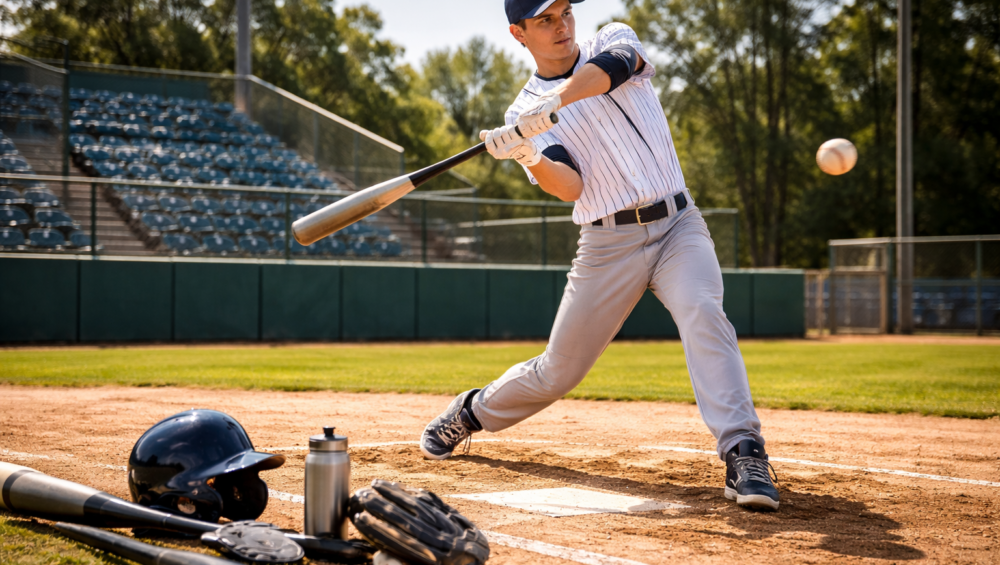
What to wear to baseball practice can make a big difference in how you perform on the field. It is not only about style. It is also about comfort, protection, and movement. The right clothing helps players run faster, swing better, and stay comfortable during long practice sessions.

So, when you choose your baseball uniform, think about comfort, flexibility, and safety. In this guide, you will learn what to wear to practice so you can play with confidence and focus fully on improving your game.

Choosing the Right Baseball Jersey

A baseball jersey is one of the most important parts of your baseball uniform. It should be light, breathable, and comfortable. Most players prefer jerseys made from moisture-wicking fabric. This material helps absorb sweat and keeps the body cool during practice. 

Wearing Comfortable Baseball Pants or Shorts

Baseball pants protect players during slides and dives. Most baseball pants are made from durable fabric that can withstand dirt, grass, and rough play. Because of this, they last longer and keep players safe during practice sessions.

However, some players also like wearing baseball shorts during casual practice. Shorts can feel lighter and cooler, especially in warm weather. Still, players should make sure the shorts allow free movement while running and stretching. 

Dress for the Weather

Summer

During summer practice, players need clothing that keeps them cool. Light short-sleeve shirts, breathable baseball jerseys, and baseball shorts are great choices. These clothes allow air to move easily around the body. 

Winter

Winter practice requires warmer clothing. Many players wear long-sleeve shirts, hoodies, and jackets, or thermal layers under their baseball jerseys. These layers help keep body heat inside while still allowing movement. 

Baseball Practice Footwear

Most players wear baseball cleats because they provide a strong grip on the field. Cleats help players run faster, change direction quickly, and stay balanced while swinging or throwing.

Accessories for Baseball Practice

Baseball Cap

A baseball cap protects the eyes from sunlight and helps players see the ball clearly. In addition, caps also complete the classic baseball uniform look on the field.

Batting Gloves

Batting gloves improve grip on the bat. They also protect the hands from blisters during long practice sessions. 

Sports Socks

Good sports socks provide comfort and support for the feet. They reduce friction inside cleats and help prevent blisters. 

Wristbands

Wristbands help absorb sweat during practice. They keep their hands dry, which helps players maintain a better grip while catching or batting.

Conclusion

What to wear to baseball practice matters for comfort, performance, and safety. From breathable jerseys in summer to warm hoodies and jackets in winter, every piece of clothing supports better performance. 

In addition, choosing the right clothing for different weather conditions helps players stay comfortable all year. If you want high-quality gear, Leepa Sports offers custom baseball apparel, including jerseys, pants, uniforms, and other pieces designed for durability and performance.

Also Read: Leepa Paddles

FAQs

1. What should I wear to baseball practice?
You should wear a baseball jersey, baseball pants or baseball shorts, comfortable cleats, and sports socks. These items provide comfort and protection during practice.

2. Should I wear layers during practice?
Yes. Wearing layers like long-sleeve shirts, hoodies, or jackets helps players stay comfortable when the weather changes.

3. What accessories are useful for baseball practice?
Common accessories include baseball caps, batting gloves, sports socks, and wristbands. These help improve comfort, grip, and performance.

what to wear under a baseball jersey

What You Should Be Wearing Under a Baseball Jersey 

What You Should Be Wearing Under a Baseball Jersey can affect comfort, movement, and performance on the field. The right clothing under your baseball jersey helps you stay cool, dry, and ready to play your best game.

Some players feel more comfortable during the game, while others struggle with heat and sweat. That often depends on what they wear under their baseball uniform. Good inner layers support the body and improve flexibility. They also protect the skin during practice and matches. Let’s deep dive into a comprehensive guide about what to wear under a baseball jersey and uniform:

Why Base Layers Matter in Baseball

Base layers sit directly under the baseball jersey and baseball uniform. These layers help control sweat and body temperature. When players run, swing, or field the ball, they sweat a lot. A good base layer absorbs moisture and keeps the body dry.

In addition, base layers reduce skin irritation. During a long game, rough fabrics can rub against the skin. However, smooth inner clothing prevents this problem. 

Wearing Compression Shirts Under a Baseball Jersey

Compression shirts fit tightly around the body. Because of this, they support muscles and improve blood flow. These shirts absorb moisture quickly. As a result, the body stays cooler during practice or matches. Many players also feel that compression shirts improve their movement. They stretch easily and allow better flexibility.

Long Sleeve vs Short Sleeve Base Layers

Players often choose between long-sleeve and short-sleeve base layers. Both options have their benefits. Long-sleeve shirts provide more coverage. They protect the arms from sun exposure and small scratches. Many players prefer them during outdoor games.

On the other hand, sleeveless shirts are lighter. They feel cooler during hot weather. When worn under a baseball jersey, they allow better airflow. As a result, players feel less heat during practice. 

Moisture-Wicking Fabrics

Moisture-wicking fabrics are one of the best options. These fabrics pull sweat away from your skin. Then the sweat dries quickly. As a result, your body stays cool and dry during practice or games. 

Many players wear a light base layer made from polyester or special sports fabric. These materials are common in modern baseball gear. They work much better than regular cotton shirts. Cotton can hold sweat and feel heavy. However, moisture-wicking fabric keeps your body fresh. 

Wearing Supportive Undergarments

Supportive undergarments are another important part of baseball clothing. These include athletic supporters or compression shorts. They provide extra support during running and quick movements on the field.

In addition, supportive layers help reduce discomfort during long practices. When worn under baseball pants or baseball shorts, they improve stability and comfort. Many professional players rely on these layers to prevent muscle strain. Therefore, supportive undergarments become an important part of a complete baseball uniform. 

Conclusion

When players choose the right base layers, they feel more confident on the field. Compression shirts, supportive undergarments, and breathable fabrics all help improve the experience of wearing a baseball uniform. In addition, the right clothing works well with baseball pants or baseball shorts. 

At Leepa Sports, we offer custom baseball gear, including baseball uniforms, jerseys, compression shirts, and baseball shorts. All of our sports wear is light, comfortable, and budget-friendly. 

Also Read: Leepa Paddles

FAQs

1. Can I wear a regular T-shirt under my baseball jersey?
Yes, but sports fabrics are better. They absorb sweat and allow better movement during games.

2. Do professional players wear compression gear under their baseball uniform?
Yes. Many professional players wear compression shirts and shorts to support muscles and reduce fatigue.

3. Does inner clothing affect baseball performance?
Yes. Proper innerwear improves comfort, reduces sweat, and helps players move more freely on the field.

How to Get Grass Stains Out of Baseball Shorts

How to Get Grass Stains Out of Baseball Shorts

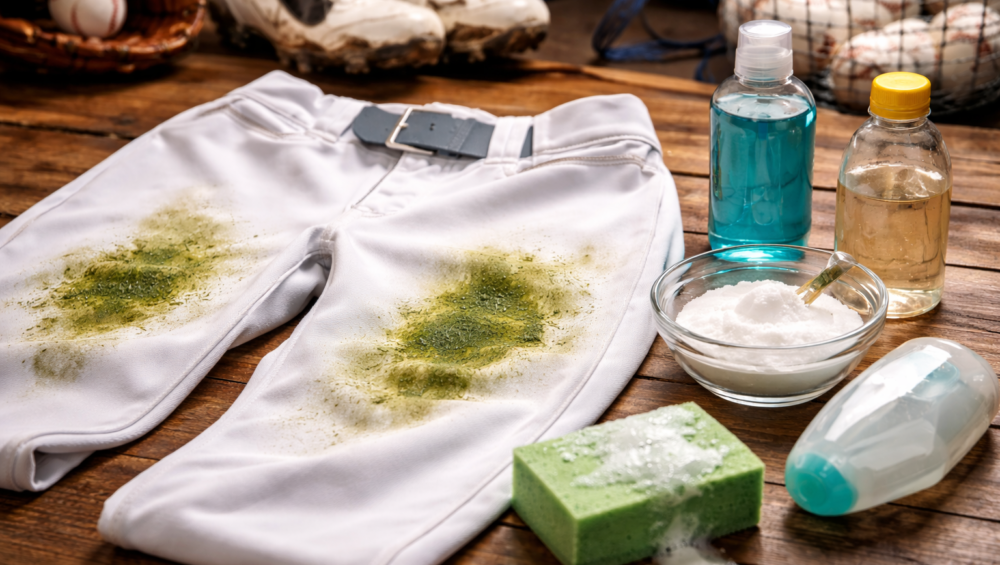
How to Get Grass Stains Out of Baseball Shorts is a common question asked by many players. Grass stains often stick strongly to fabric. Players slide, dive, and run. Because of this, their baseball uniforms can quickly get dirty. However, do not worry. With the right steps, you can easily clean your baseball gear.

In this guide, you will learn easy tips. These tips will help keep your baseball shorts, baseball jersey, and full baseball uniform clean and fresh.

Why Grass Stains Stick to Baseball Shorts

Grass stains can be very stubborn. This happens because grass has natural pigments. These pigments attach strongly to fabric fibers. When players slide on the field, the grass gets pushed deep into the cloth. As a result, stains become harder to remove from baseball shorts.

Pre-Treat the Stain Quickly

The first and most important step is to act quickly. When you see grass stains, start cleaning soon. Do not let the stain dry completely. First, gently brush off loose dirt from the baseball shorts. 

Next, apply a small amount of liquid detergent. Rub it softly on the stain. You can use your fingers or a soft brush. Then let it sit for a few minutes. This helps break down the grass pigments. After that, rinse the shorts with cold water. 

Use Simple Household Cleaning Methods

Many people think strong chemicals are needed. However, simple home products work very well. For example, baking soda can help remove stains. First, mix baking soda with a little water. Then apply the paste to the grass stain on the baseball shorts.

Another helpful item is white vinegar. Vinegar helps break down tough stains. Pour a small amount on the stained area. Then gently rub it in. After that, wash the baseball uniform normally. 

Wash the Baseball Uniform the Right Way

Washing the uniform correctly is very important. Always check the fabric label first. Most baseball shorts should be washed in cold water. Cold water helps stop the stain from setting deeper into the fabric.

Next, use a good sports detergent. This type of detergent works well on sweat and grass stains. Also, avoid using hot water at the start. Hot water can lock the stain into the fabric. After washing, check the shorts before drying. 

Conclusion

Cleaning grass stains may seem hard at first. However, with the right steps, it becomes easy. Quick action, simple cleaners, and proper washing can remove most stains. As a result, your baseball shorts will look fresh again.

Taking care of your baseball uniform is very important. Clean gear helps players feel confident and comfortable. By following these tips, you can protect your baseball jersey, baseball shorts, and other baseball gear

Also Read: Leepa Paddles

Differences Between Baseball and Soccer Cleats

Differences Between Baseball and Soccer Cleats

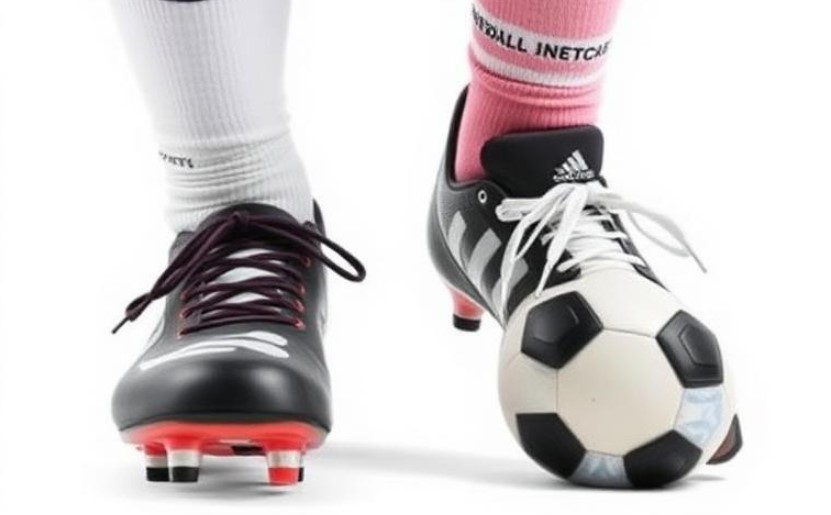
Do you ever wonder why some cleats feel right for one sport but wrong for another? Key Differences Between Baseball & Soccer Cleats matter because each sport has its own moves, surfaces, and needs. Baseball and soccer look similar from far away. Players run. They stop fast. They change direction. But the sports are very different. Because of this, their shoes are also very different. Cleats help players grip the ground. They also help protect the feet. Choosing the wrong cleats can cause pain. It can also cause slips and injuries. So, it is very important to understand the differences.

In this guide, we only explain everything. We use easy words. We use short sentences. We also use clear examples. You will learn how baseball cleats work. You will also learn how soccer cleats work. Step by step, the differences will become clear. In the end, you will know which cleats fit which sport. This will help players, parents, and buyers make informed choices.

Playing Surface and Ground Contact

Baseball and soccer are played on very different surfaces. This is the first big difference. Baseball is often played on dirt, grass, and clay. Soccer is mostly played on natural grass or artificial turf. Because of this, cleats are made in different ways. The studs under the shoes are shaped for the ground they touch. This helps players stay balanced. It also helps them move safely.

Baseball cleats are built for short bursts of movement. Players run fast, then stop. They slide into bases. They push off hard when batting or pitching. So, baseball cleats often have metal or hard plastic studs. These studs dig deep into dirt and clay. They give strong grip. Soccer cleats, on the other hand, are made for constant running. Players move for long time. They turn, pass, and sprint. So, soccer cleats have many shorter studs. These studs spread pressure evenly. This helps on grass and turf.

Another key point is surface rules. Many leagues ban metal cleats for young players. This is for safety. Soccer almost never allows metal studs. Soccer cleats must be safe for player-to-player contact. Baseball cleats focus more on grip with the ground than contact with others. Because of these surface needs, players should never mix cleats. Using the wrong cleats can damage fields. It can also increase injury risk.

Stud Shape and Stud Pattern

Stud shape is a major difference between the two types of cleats. Baseball cleats usually have fewer studs. These studs are longer and sharper. Many times, there is a toe stud at the front. This toe stud helps players push off when running or batting. It gives extra power. Soccer cleats never have a toe stud. This is a very important rule.

Soccer cleats have many small studs. These studs are round or blade-shaped. They are spread across the sole. This helps with balance and smooth movement. Soccer players use all parts of the foot. They pass. They shoot. They trap the ball. So, the stud pattern must allow quick turns and steady footing. Baseball players do not need that same foot control with a ball. They need fast starts and stops.

The stud pattern also affects safety. A toe stud in soccer could hurt another player. That is why it is banned. Soccer is a contact sport. Players often step near each other. Baseball has less close contact. So, the stud design can be more aggressive. This clear difference shows why each sport needs its own cleats.

Toe Stud Difference

One of the clearest signs of baseball cleats is the toe stud. This stud sits right at the front of the shoe. It helps baseball players dig into the ground. When a player runs to first base, the toe stud gives extra grip. It also helps during pitching and fielding. This small detail makes a big difference in baseball.

Soccer cleats do not have a toe stud. This is not a design choice. It is a safety rule. Soccer players kick the ball with the front of the foot. A toe stud could hurt the ball control. It could also injure other players during tackles. So, soccer cleats have a smooth toe area. This allows better touch and control.

This one feature alone can tell you which cleat is which. If you see a toe stud, it is not for soccer. Using baseball cleats in soccer can be dangerous. It can also be illegal in matches. So, always check the toe area before buying or wearing cleats.

Shoe Weight and Speed

Weight matters a lot in sports shoes. Baseball cleats are often heavier. They need to be strong. They must handle sliding and hard stops. They also need to last through rough play. Because of this, they use thicker materials. This adds weight but increases durability.

Soccer cleats are made to be light. Players run for long time. A full match can last 90 minutes or more. Light shoes help reduce fatigue. They also help players move faster. Thin materials and low-cut designs keep the shoe light. This supports speed and comfort.

Because of this difference, wearing the wrong cleats can slow a player down. Heavy baseball cleats can make soccer players tired faster. Light soccer cleats may not protect baseball players enough. So, weight is not just about comfort. It is about performance and safety, too.

Ankle Support and Cut Style

Baseball cleats often come in mid-cut or high-cut styles. These styles support the ankle. This is helpful when sliding or making sudden stops. The extra support can reduce ankle injuries. Many baseball players like this secure feel. Soccer cleats are mostly low-cut. This allows free ankle movement. Soccer players need flexibility. They twist, turn, and pivot often. A low-cut shoe helps with this. It also makes the shoe lighter.

Some soccer cleats now offer sock-like collars. These give light support without stiffness. Still, they are very different from baseball cleats. The cut style matches the sport’s movement needs. This is another reason why cleats are not interchangeable.

Material and Upper Design

The upper part of the shoe covers the foot. Baseball cleats use strong materials. These materials resist wear from dirt and sliding. Leather and thick synthetic fabrics are common. The goal is protection and strength.

Soccer cleats use thinner materials. The goal is touch and control. Players need to feel the ball. Soft leather or thin synthetic uppers help with this. Some cleats even mold to the foot shape. Because of this, soccer cleats feel like a second skin. Baseball cleats feel more like armor. Each design fits the sport’s needs. Mixing them can reduce performance.

Comfort and Fit

Comfort is important in both sports. But the fit feels different. Baseball cleats often have a wider toe box. This helps during batting and standing. Players are not always running. Soccer cleats are usually tighter. A snug fit helps with ball control. There should be little extra space. This can feel strange to new players. But it helps improve skills. Choosing the right fit is key. A wrong fit can cause blisters and pain. Always try on cleats for the right sport.

Rules and League Standards

Rules matter a lot. Baseball leagues may allow metal cleats. Soccer leagues usually do not. Youth leagues are even stricter. These rules protect players and fields. Soccer rules ban toe studs and metal spikes. Baseball rules focus more on age and level. Always check league rules before buying cleats. Ignoring rules can lead to disqualification. It can also cause injuries. So, the rules are a big difference to remember.

Movement Style and Player Actions

Baseball has short, sharp movements. Sprinting and stopping are common. Cleats support this style. They grip hard and fast. Soccer has constant movement. Players jog, sprint, and turn for a long time. Cleats support smooth motion. This difference shapes the shoe design. Movement style affects every part of the cleat. From studs to weight, everything is linked.

Durability and Wear

Baseball cleats face rough use. Dirt and sliding cause damage. So, they are built tough. Soccer cleats are worn differently. Grass and turf cause less scraping. But long use can still wear out studs. Durability needs depend on the sport. Buying the right cleats saves money over time.


Price and Value

Baseball cleats can cost more. Metal studs and a strong build raise the price. Soccer cleats range widely. You can find good options at many prices. Value comes from using the right cleats. Worn-out cleats wear out faster.

Can You Use One for the Other?

Many people ask this question. The simple answer is no. Baseball cleats are not safe for soccer. Soccer cleats do not work well for baseball. Each sport needs its own design. Using the right cleats improves safety and play.

Conclusion

Understanding the Key Differences Between Baseball & Soccer Cleats helps players make better choices. Each sport has unique needs. The cleats match those needs. From studs to weight, every detail matters. Using the right cleats improves comfort, safety, and performance. Always choose cleats made for your sport. This simple step makes a big difference.


FAQs

Can I wear baseball cleats for soccer?
No. They have toe studs and can be unsafe.

Are soccer cleats lighter than baseball cleats?
Yes. Soccer cleats are made for long running.

Why do baseball cleats have a toe stud?
It helps with fast starts and grip.

Do soccer cleats work on dirt?
No. They are made for grass or turf.

Which cleats are better for beginners?
Always choose cleats made for the sport you play.

Select the fields to be shown. Others will be hidden. Drag and drop to rearrange the order.
  • Image
  • SKU
  • Rating
  • Price
  • Stock
  • Availability
  • Add to cart
  • Description
  • Content
  • Weight
  • Dimensions
  • Additional information
Click outside to hide the comparison bar
Compare
Shopping cart close