All

Order Online or Call Now +61-405-728-211

Winter football game accessories

What to Wear to a Winter Football Game?


What to Wear to a Winter Football Game
is a common question many fans ask before heading to the stadium. Are you worried about feeling too cold in the stands? Do you want to stay warm but still look stylish? 

Layering Is the Key

Base Layer

First, wear a base layer. This layer sits close to your skin. It should keep you warm and dry. Thermal wear or long-sleeve shirts are great choices for this layer. They trap body heat. At the same time, they pull sweat away from your skin.

Middle Layer

Next, add a middle layer. This can be a sweater or a hoodie. It adds extra warmth.  Instead, choose thermal tops and bottoms. They fit close to the body and create a warm barrier. 

Outer Layer

Then, finish with a thick outer jacket. A winter coat blocks wind and cold air. So, wearing three layers keeps your body heat inside. Also, if you feel too warm, you can remove one layer. 

Tips to Enjoy the Winter Football Game Without Feeling Cold

  • Choose a Warm Winter Coat

A strong winter coat is very important. It is your main protection against cold wind and snow. Choose a coat that is insulated. Down jackets or padded coats work very well. They hold heat inside and block cold air outside. Also, make sure your coat is waterproof or water-resistant. 

  • Wear Thermal Base Layers

Thermal base layers are worn under your regular clothes. They are thin but very warm. These layers help trap body heat. Because of this, your body stays comfortable even in freezing weather. Choose materials like wool or synthetic fabrics. They keep moisture away from the skin.

  • Pick the Right Hoodies and Jackets

Hoodies and Jackets are perfect for the middle layer. They add warmth and comfort. Fleece and wool are great materials. They hold heat well. At the same time, they feel soft and cozy. You can also choose one in your team’s colours. That way, you stay warm and show support.

  • Protect Your Head and Ears

A lot of body heat escapes from your head. Because of this, wearing a hat is very important. A knit beanie or wool hat works best. It covers your ears and keeps them warm. You can also wear earmuffs or a headband. These protect your ears while keeping your hairstyle neat.

  • Wear Thick and Warm Socks

Feet get cold fast in winter. So, thick socks are very important. Wool socks are a great option. They keep their feet warm and dry. However, make sure your shoes are not too tight. If shoes are tight, blood flow reduces. And that makes feet colder. So, choose socks that fit well. 

  • Choose Insulated Boots

Regular sneakers are not enough for cold stadium seats. Instead, wear insulated boots. Boots protect your feet from cold ground and snow. Waterproof boots are even better. They keep your feet dry. Also, boots with a good grip prevent slipping on icy surfaces. 

Wear Team Colors Smartly

You can still support your team while staying warm. Wear jerseys over thermal layers. Add team hats or scarves. That way, you show team spirit without feeling cold.

Layering team clothes is smart. For example, wear a team hoodie under a winter coat. You stay warm but still represent your team. So, you do not need to sacrifice comfort for style.

Dress Smart and Stay Warm at Winter Football Games

What to Wear to a Winter Football Game can make the difference between comfort and misery. Layer your clothes. Wear a strong coat. Protect your hands, feet, and head. Stay dry and warm.

When you dress properly, you can enjoy every touchdown and cheer loudly without freezing. So, plan ahead. Dress smart. And enjoy your winter football game in comfort and style.

Read More: Leepa Paddles

FAQs

1. Can I wear jeans to a winter football game?

Yes, but wear thermal leggings underneath for extra warmth.

2. Are sneakers okay for winter games?

Sneakers are not ideal. Insulated boots are better for cold and snow.

3. Should I wear two jackets?

It is better to wear layers instead of two heavy jackets.

4. Do I really need gloves?

Yes. Cold hands can make the game uncomfortable.

5. Is a blanket necessary?

It is not required, but it helps a lot in very cold weather.

Modern football helmet on grass field

The Materials Used in Football Helmets

Have you ever wondered what keeps a football player’s head safe during a hard hit? Many people see the helmet but do not realize that the material used in football helmets is responsible for players’ safety. It is not just hard plastic. Instead, it is made from many strong and smart materials. 

Football is a fast and physical game. Players run, jump, and crash into each other. Because of this, head protection is very important. Over the years, helmet design has improved a lot. New materials are now lighter and stronger. Let’s explore more about the materials used in football helmets.

History of Football Helmets

Time PeriodMain Material UsedNew Technology AddedSafety Improvement
1920s – 1940sSoft Leather HelmetsBasic padded head straps insideVery little protection, and it  prevented small cuts
1950s – 1970sHard Plastic Shells (ABS)Suspension systems and face masksGreatly reduced skull fractures
2000s – 2020sAdvanced Composite Materials and TPUTPU padding and 3D lattice designsHigher protection and better shock control

Components of a Modern Football Helmet

Outer Shell

Polycarbonate Shell

Most football helmets use polycarbonate plastic. This material is very strong but still light. It spreads the force of hits over a wide area. Polycarbonate also resists cracking. It works well in hot or cold weather. It can be shaped to fit the head comfortably. 

Advanced Composites

Some modern helmets use advanced composite materials. These are mixtures of plastics and fibers. They help reduce weight without losing protection. Advanced composites also absorb impact better. Because of this, the head is safer from strong hits. Players feel less neck strain because the helmet is lighter. 

Inner Materials

Expanded Polystyrene (EPS) Foam

EPS foam is inside the helmet under the shell. It is light but strong. When a player is hit, EPS compresses. This absorbs energy from the hit and reduces force reaching the brain. EPS foam is also inexpensive and easy to replace, making it practical for schools and leagues that need cost-effective safety solutions.

Vinyl Nitrile Foam Padding

Vinyl nitrile foam is softer than EPS. It adds comfort and extra shock absorption. It is flexible and returns to its shape after pressure. This material helps the helmet fit snugly on the head. This foam also reduces fatigue, because players feel less pressure on the top and sides of their heads.

TPU Cushioning (Thermoplastic Polyurethane)

TPU is used in modern helmets as small soft pods or columns. It is strong but flexible. TPU absorbs energy from hits and spreads it across the head. It works well in hot and cold weather. TPU cushions are lightweight, providing improved protection without making the helmet heavy.

Air Bladder Systems

Air bladders are small pockets filled with air inside helmets. Players can adjust the air to make the helmet fit better. The air pockets also help absorb shocks. When a hit happens, the air spreads the force. This reduces pressure on one spot and allows players to fine-tune the helmet before each game. 

Face Mask (Steel or Titanium)

The face mask protects the face from hits. Most face masks are made from steel. Steel is strong and durable. It can handle heavy impacts. However, steel is heavier than some other metals. Some high-level helmets use titanium face masks. Titanium is lighter than steel but still very strong. As a result, players can move faster. 

Chin Strap Materials

The chin strap keeps the helmet in place. It is usually made from strong nylon straps. The cup part may be made of plastic and foam. Soft padding on the chin cup adds comfort. Strong buckles keep everything locked. Therefore, the chin strap material plays a key role in keeping the helmet stable.

Inner Liner Fabric

Inside the helmet, there is also a fabric lining. This fabric touches the player’s head. It is usually soft and moisture-wicking. That means it pulls sweat away from the skin. Because of this feature, the head stays cooler and drier. Some liners are removable and washable. So, they are easy to clean.

Shock Absorbing Gel Inserts

Some helmets use gel inserts. These are small pads filled with special gel. The gel moves when hit. This movement helps absorb impact energy. Gel inserts can handle repeated impacts. They also provide a soft feel. In addition, gel helps spread force evenly. So, it reduces pressure on one point. 

Carbon Steel Hardware

Helmets have screws and clips. These are often made from carbon steel. Carbon steel is strong and long-lasting. It holds the face mask and other parts in place. If the hardware is weak, the parts may loosen. Therefore, strong metal hardware is important. 

Anti-Microbial Coatings

Some helmets include anti-microbial coatings. These coatings help stop bacterial growth. Because players sweat a lot, helmets can become damp. Bacteria can cause bad smells and skin problems. However, anti-microbial materials reduce this risk. 

Paint and Protective Coatings

The outside of the helmet is painted. This paint is not just for looks. It also adds protection. Special coatings protect the shell from scratches and sun damage. Sunlight can weaken plastic over time. However, protective layers help prevent this. 

Conclusion


The Materials Used in Football Helmets work together to protect players on the field. Each material has a special job. Modern helmets use smart design and strong materials. Because of this, players are safer than before. However, proper fit and care are also important. When all parts work together, the helmet gives the best protection. 

FAQs

1. What is the outer shell of a football helmet made of?

Most outer shells are made from strong polycarbonate plastic.

2. Why is foam important inside the helmet?

Foam absorbs shock and reduces the force of impacts.

3. Are lighter helmets safer?

Lighter helmets can improve comfort. However, safety depends on design and materials.

4. What is TPU in football helmets?

TPU is a flexible material that absorbs impact and lasts long.

5. Why are chin straps important?

Chin straps keep the helmet secure and prevent movement during play.

How to Break in Football Cleats

How to Break in Football Cleats

How to Break in Football Cleats the right way can save your feet from pain. How to Break in Football Cleats is something every football player should learn before game day. Have you ever worn new football cleats and felt tightness or pain? Do your heels hurt or your toes feel squeezed? If yes, you are not alone. New cleats often feel stiff and hard at first. They are not ready for long practice or big matches. That is why breaking them in is very important. When you break in your cleats slowly and safely, they become softer. They start to shape around your feet. Then you can run faster, cut better, and play with more comfort.

Many players make mistakes. They wear new cleats in a full game without testing them first. As a result, they get blisters and sore feet. However, you can avoid this problem. You just need the right steps and some patience. In this guide, you will learn simple and easy ways to break in your football cleats. The steps are safe and helpful. So, let’s begin and protect your feet the right way.

Why Breaking in Football Cleats Is Important

New football cleats are usually stiff. The material is strong and tight. This helps with support and grip. However, at first, they do not match the shape of your feet. Because of this, you may feel pressure on your toes, heels, or sides. If you ignore this problem, you may get blisters. You may also get small cuts or foot pain. Therefore, breaking in your cleats is very important. It helps the shoes become softer and more flexible.

When cleats fit well, your game becomes better. You can run faster. You can turn quickly. You feel balanced and strong. On the other hand, tight cleats can slow you down. They can distract you during play. Also, poor fitting shoes can cause long-term foot problems. For example, you may feel heel pain or arch pain. That is why you must take time to break them in. Slowly wearing them helps the material stretch a little. Over time, they mold to your feet. As a result, you feel more comfort and confidence on the field.

Choose the Right Size Before Breaking Them In

First of all, you must choose the correct size. If your cleats are too small, breaking them in will not fix the problem. They will always feel tight. On the other hand, if they are too big, your feet will slide inside. This can cause blisters. Therefore, picking the right size is the first and most important step. Your toes should not touch the front too hard. Also, your heel should stay in place when you walk.

Moreover, try your cleats with football socks. Thick socks can change the fit. So, always test them while wearing the same socks you use in games. Walk around the store or your home. Check for tight spots. If you feel sharp pain, choose another size. It is better to change size early than suffer later. In short, the right size makes breaking in much easier and safer.


Wear Them at Home First

After buying your cleats, do not rush to the field. Instead, wear them at home. This is a safe and easy step. Walk around your house for 20 to 30 minutes. Sit, stand, and move a little. This helps the shoes bend naturally. At the same time, your feet start adjusting slowly.

Also, wearing them at home helps you find problem areas. For example, you may feel pressure on your heel or little toe. If that happens, you can fix it early. You can adjust the laces or wear thicker socks. Because you are indoors, the cleats will stay clean. So, you can still return them if needed. Therefore, always start small. Home practice is a smart first step.


Use Thick Socks for Extra Protection

Thick socks are very helpful during the break-in period. They add extra padding between your skin and the shoe. As a result, they reduce friction. Less friction means fewer blisters. This is very important in the first few days.

In addition, thick socks help stretch the cleats slightly. When you wear them, the inside of the shoe opens up a bit more. Over time, the material becomes softer. However, do not wear socks that are too thick. Your feet still need space to move. Choose good-quality sports socks. This simple step can make a big difference.

Read more: Leepa Paddles


Practice in Short Sessions

Next, start practicing in short sessions. Do not wear new cleats for a full two-hour practice. Instead, wear them for 20 to 30 minutes first. Then slowly increase the time each day. This allows your feet to adjust slowly.

If you feel pain, stop and rest. Do not ignore foot pain. It is a warning sign. By taking small steps, you protect your feet. Also, your cleats get time to soften naturally. In this way, you avoid sudden injuries. Step by step, your shoes will feel more comfortable.


Loosen and Adjust the Laces Properly

Laces play a big role in comfort. If they are too tight, your feet may feel squeezed. If they are too loose, your foot may slide. Therefore, always adjust your laces carefully. Make sure they feel snug but not tight.

Also, you can try different lacing styles. Some styles reduce pressure on the top of your foot. Others give more space near the toes. Small changes can improve comfort a lot. So, take time to test and adjust. Proper lacing helps your cleats fit better during the break-in period.


Gently Flex the Sole

New cleats often have stiff soles. Because of this, running may feel hard at first. To fix this, gently bend the sole with your hands. Do not force it too much. Just press lightly to make it more flexible.

You can also walk on grass to help the sole bend naturally. However, avoid bending it too hard. Too much force can damage the shoe. Gentle movement is enough. Over time, the sole will become more flexible. Then your steps will feel smoother and easier.


Use Warmth Carefully

Warmth can help soften materials like leather. For example, wearing your cleats in warm weather can help them adjust faster. Your body heat also helps shape the inside.

However, never use direct heat like a heater or dryer. Too much heat can damage the shoe. It can weaken glue and stitching. Instead, let warmth happen naturally. Patience is safer than quick fixes. Slow changes protect both your cleats and your feet.


Protect Your Feet from Blisters

Blisters are common with new cleats. Therefore, prevention is very important. You can use blister pads on problem areas. You can also apply foot tape. These simple steps reduce rubbing.

In addition, keep your feet dry. Wet skin gets blisters more easily. Change socks if they get sweaty. Also, trim your toenails. Long nails can press against the shoe and cause pain. Small habits can protect your feet greatly.


Keep Your Cleats Clean and Dry

Taking care of your cleats helps them last longer. After practice, clean off dirt and mud. Then let them dry naturally. Do not place them under strong heat.

When cleats stay clean, the material stays strong. Wet shoes can become hard and stiff again. Therefore, always store them in a cool, dry place. Good care keeps them comfortable for many games.


Be Patient During the Process

Breaking in cleats takes time. It does not happen in one day. Some players need a week. Others may need two weeks. That is normal.

Do not rush the process. If you try to speed it up, you may hurt your feet. Instead, follow simple steps and stay patient. Slowly, your cleats will feel like part of your feet. Then you will feel ready for big matches.


Signs Your Football Cleats Are Fully Broken In

How do you know when your cleats are ready? First, they should feel soft and flexible. You should not feel tight spots. Also, your feet should not hurt after practice.

Another sign is smooth movement. You can run, turn, and stop easily. There is no rubbing or slipping inside. When you feel comfort and control, your cleats are ready. At this point, you can trust them during important games.


Conclusion

How to Break in Football Cleats is simple when you follow the right steps. How to Break in Football Cleats takes time, care, and patience.

In the beginning, new cleats may feel tight and uncomfortable. However, with slow practice and smart steps, they become soft and flexible. Always start at home. Wear thick socks. Practice in short sessions. Also, protect your feet from blisters. Most importantly, be patient. When your cleats fit well, your game improves. You feel confident and strong. So take care of your feet, and enjoy every match.


FAQs

1. How long does it take to break in football cleats?
It usually takes one to two weeks. However, it depends on the material and how often you wear them.

2. Can I use water to break in cleats?
It is not recommended. Water can damage the material. It is better to break them in slowly by wearing them.

3. Should cleats feel tight at first?
They may feel slightly snug. However, they should not cause strong pain. If they hurt a lot, the size may be wrong.

4. Can I wear new cleats in a game?
It is better not to. First, wear them in practice. Make sure they feel comfortable before using them in a match.

5. How can I stop blisters while breaking in cleats?
Wear thick socks, use blister pads, and keep your feet dry. These steps help protect your skin.

How to Improve at Badminton: Simple Ways

Do you want to become better at badminton and stop losing easy points? 10 Tips on How to Improve at Badminton is the right guide for players who want simple and clear help. Many people play badminton for fun. However, they feel confused when they do not improve. They try harder shots. They run faster. Still, results stay the same. This happens because badminton needs the right basics, not just effort.

We focus on simple skills that truly matter. These tips are easy to follow. They are good for beginners and also for regular players. Each tip builds your confidence step by step. You will learn how to move better, hit better, and think better on the court. With regular practice, you will feel more control and less stress. Most importantly, you will start enjoying the game more.

Improve Your Grip First

A good grip is the base of all badminton shots. If your grip is wrong, your shots will never feel right. Many players hold the racket too tightly. This makes the wrist stiff and slow. Because of this, shots lose power and accuracy. Instead, you should hold the racket gently. Think of holding a pen or shaking hands. Your fingers should stay relaxed. Your thumb should support the handle and help with control.

A relaxed grip allows quick movement of the racket. It also helps you change shots easily during fast rallies. You should learn both forehand and backhand grips early. This is important because badminton is a very fast game. There is no time to think during rallies. Grip changes must be natural. So, practice holding the racket at home too. Swing it slowly. Feel the balance. Then practice light shots on the court.

Over time, your wrist strength will improve. You will hit the shuttle more cleanly. Your shots will feel smoother and more controlled. A correct grip also reduces injury risk. When your grip is right, your whole game becomes better and easier.

Learn the Correct Footwork

Footwork helps you reach the shuttle on time. Without good footwork, even strong shots fail. Many players stand flat-footed. This makes movement slow. Instead, stay light on your feet. Bend your knees slightly. Keep your body ready to move in any direction. This helps you react faster.

Good footwork means taking small and quick steps. Large jumps waste energy and break balance. Practice moving forward, backward, and sideways. Do shadow practice without the shuttle. This builds muscle memory. Focus on landing softly and keeping balance. Always return to the center after each shot.

With better footwork, you will reach the shuttle earlier. Early contact gives better control. You will feel less tired during long rallies. Your movement will look smooth and confident. Step by step, your overall performance will improve.

Focus on Basic Strokes

Basic strokes are the foundation of badminton. These include clears, drops, smashes, and drives. Many players ignore basics and try advanced shots too early. This creates mistakes and frustration. First, learn how to hit the shuttle cleanly. Practice clears to the back of the court. This gives you time to recover and plan your next move.

Drop shots are also important. They bring your opponent close to the net. This opens space at the back of the court. Practice hitting soft drops with control. Do not rush. Focus on accuracy more than power. Smashes should be used carefully. A smash needs good position and balance.

When you master basic strokes, rallies become easier. You make fewer errors. You also gain confidence. Over time, these simple strokes help you win more points and enjoy the game more.

Improve Your Serve

The serve starts every rally. A weak serve gives your opponent an easy chance to attack. So, serving well is very important. In doubles, short serves are common. They should be low and close to the net. This limits your opponent’s options. In singles, long serves help push the opponent to the back.

Follow the serving rules carefully. Hit the shuttle below your waist. Keep your racket pointing down. Use a smooth and relaxed motion. Avoid sudden movements. Practice serving daily. Even five minutes helps a lot.

A good serve builds confidence. It helps you control the rally from the start. Over time, your serves will become consistent and accurate. This small skill can change match results.

Work on Your Fitness

Badminton is a fast and active sport. It needs good stamina and strength. You must move quickly again and again. So, fitness plays a big role. Start with simple exercises like skipping and jogging. These improve heart strength and endurance.

Leg strength is very important. Do squats and lunges. Strong legs help you move fast and stay balanced. Stretching is also important. It keeps your body flexible and reduces injury risk. Stretch before and after playing.

When your fitness improves, you feel lighter on the court. You last longer in matches. You stay sharp even at the end of the game. Fitness supports every skill in badminton.

Improve Your Net Play

Net play can help you win many easy points. Soft net shots force your opponent to lift the shuttle. This gives you a chance to attack. To improve net play, hold the racket gently. Use finger control instead of full arm movement.

Practice tight net shots close to the tape. Focus on control and touch. Also, be ready for net kills. Keep your racket up and eyes focused. React quickly to loose shots.

Good net play creates pressure. It breaks your opponent’s rhythm. Over time, you will feel confident near the net. This adds strength to your overall game.

Learn to Control Your Shots

Control is more important than power. Many players try to hit too hard. This causes mistakes. Instead, aim for placement. Hit the shuttle to empty spaces. Move your opponent around the court.

Practice slow and fast shots. Mix clears, drops, and drives. This keeps your opponent guessing. Shot control also helps reduce unforced errors. With better control, you play smarter. You conserve energy. You win points with less effort. This skill improves with patience and regular practice.

Watch and Learn from Better Players

Watching skilled players helps improve understanding. Observe their movement and shot choices. Notice how they stay calm under pressure. Videos and live matches are good learning tools.

After watching, practice what you learned. Focus on one small thing at a time. For example, footwork or grip. Do not copy everything at once. Learning by watching saves time. It gives clear direction. Over time, your game sense improves naturally.

Practice Regularly and Smartly

Regular practice builds improvement. However, smart practice works faster. Set small goals for each session. Focus on one skill at a time. Quality matters more than long hours.

Practice with different players. This helps you adapt to different styles. Also, review your mistakes. Learn from them calmly. Consistency brings results. Even short daily practice helps. Over time, your skills grow step by step.

Improve Your Mental Strength

Mental strength is very important in badminton. Stay calm during matches. Mistakes happen. Do not get angry. Focus on the next point instead.

Take deep breaths between rallies. Think positive thoughts. Enjoy the game. Pressure reduces performance. Confidence improves it. With time, your mental strength grows. You handle tough moments better. This makes you a stronger player overall.

Use the Right Equipment

Using the right equipment helps performance. Choose a racket suitable for your level. Beginners should use light and flexible rackets. Shoes must have good grip.

Comfort matters more than brand. Equipment should support your style. Good shoes prevent slipping and injury. Proper equipment makes playing easier and safer. It supports skill development naturally.

Get Coaching and Feedback

A coach helps identify mistakes. They guide you correctly. Even a few sessions can help a lot. Feedback improves learning speed. You can also ask friends for advice. Small tips bring big changes. Record your play if possible. Guidance saves time and effort. Over time, your skills improve faster and better.

Conclusion

The article on How to Improve at Badminton gives simple and clear guidance for all players.
It focuses on basics, practice, and confidence. Improvement takes time. Stay patient. Practice regularly. Enjoy every match. Step by step, you will become a better badminton player.

FAQs

How to hit better in badminton?
Use a relaxed grip. Focus on timing. Hit the shuttle at the highest point.

How to aim better in badminton?
Look for empty spaces. Control your shots. Avoid hitting too hard.

What are the 9 skills you need to play badminton?
Grip, footwork, serve, clear, drop, smash, net play, control, and mental strength.

How to improve stamina in badminton?
Do regular cardio exercises. Practice longer rallies. Improve overall fitness.

Differences Between Baseball and Soccer Cleats

Differences Between Baseball and Soccer Cleats

Do you ever wonder why some cleats feel right for one sport but wrong for another? Key Differences Between Baseball & Soccer Cleats matter because each sport has its own moves, surfaces, and needs. Baseball and soccer look similar from far away. Players run. They stop fast. They change direction. But the sports are very different. Because of this, their shoes are also very different. Cleats help players grip the ground. They also help protect the feet. Choosing the wrong cleats can cause pain. It can also cause slips and injuries. So, it is very important to understand the differences.

In this guide, we only explain everything. We use easy words. We use short sentences. We also use clear examples. You will learn how baseball cleats work. You will also learn how soccer cleats work. Step by step, the differences will become clear. In the end, you will know which cleats fit which sport. This will help players, parents, and buyers make informed choices.

Playing Surface and Ground Contact

Baseball and soccer are played on very different surfaces. This is the first big difference. Baseball is often played on dirt, grass, and clay. Soccer is mostly played on natural grass or artificial turf. Because of this, cleats are made in different ways. The studs under the shoes are shaped for the ground they touch. This helps players stay balanced. It also helps them move safely.

Baseball cleats are built for short bursts of movement. Players run fast, then stop. They slide into bases. They push off hard when batting or pitching. So, baseball cleats often have metal or hard plastic studs. These studs dig deep into dirt and clay. They give strong grip. Soccer cleats, on the other hand, are made for constant running. Players move for long time. They turn, pass, and sprint. So, soccer cleats have many shorter studs. These studs spread pressure evenly. This helps on grass and turf.

Another key point is surface rules. Many leagues ban metal cleats for young players. This is for safety. Soccer almost never allows metal studs. Soccer cleats must be safe for player-to-player contact. Baseball cleats focus more on grip with the ground than contact with others. Because of these surface needs, players should never mix cleats. Using the wrong cleats can damage fields. It can also increase injury risk.

Stud Shape and Stud Pattern

Stud shape is a major difference between the two types of cleats. Baseball cleats usually have fewer studs. These studs are longer and sharper. Many times, there is a toe stud at the front. This toe stud helps players push off when running or batting. It gives extra power. Soccer cleats never have a toe stud. This is a very important rule.

Soccer cleats have many small studs. These studs are round or blade-shaped. They are spread across the sole. This helps with balance and smooth movement. Soccer players use all parts of the foot. They pass. They shoot. They trap the ball. So, the stud pattern must allow quick turns and steady footing. Baseball players do not need that same foot control with a ball. They need fast starts and stops.

The stud pattern also affects safety. A toe stud in soccer could hurt another player. That is why it is banned. Soccer is a contact sport. Players often step near each other. Baseball has less close contact. So, the stud design can be more aggressive. This clear difference shows why each sport needs its own cleats.

Toe Stud Difference

One of the clearest signs of baseball cleats is the toe stud. This stud sits right at the front of the shoe. It helps baseball players dig into the ground. When a player runs to first base, the toe stud gives extra grip. It also helps during pitching and fielding. This small detail makes a big difference in baseball.

Soccer cleats do not have a toe stud. This is not a design choice. It is a safety rule. Soccer players kick the ball with the front of the foot. A toe stud could hurt the ball control. It could also injure other players during tackles. So, soccer cleats have a smooth toe area. This allows better touch and control.

This one feature alone can tell you which cleat is which. If you see a toe stud, it is not for soccer. Using baseball cleats in soccer can be dangerous. It can also be illegal in matches. So, always check the toe area before buying or wearing cleats.

Shoe Weight and Speed

Weight matters a lot in sports shoes. Baseball cleats are often heavier. They need to be strong. They must handle sliding and hard stops. They also need to last through rough play. Because of this, they use thicker materials. This adds weight but increases durability.

Soccer cleats are made to be light. Players run for long time. A full match can last 90 minutes or more. Light shoes help reduce fatigue. They also help players move faster. Thin materials and low-cut designs keep the shoe light. This supports speed and comfort.

Because of this difference, wearing the wrong cleats can slow a player down. Heavy baseball cleats can make soccer players tired faster. Light soccer cleats may not protect baseball players enough. So, weight is not just about comfort. It is about performance and safety, too.

Ankle Support and Cut Style

Baseball cleats often come in mid-cut or high-cut styles. These styles support the ankle. This is helpful when sliding or making sudden stops. The extra support can reduce ankle injuries. Many baseball players like this secure feel. Soccer cleats are mostly low-cut. This allows free ankle movement. Soccer players need flexibility. They twist, turn, and pivot often. A low-cut shoe helps with this. It also makes the shoe lighter.

Some soccer cleats now offer sock-like collars. These give light support without stiffness. Still, they are very different from baseball cleats. The cut style matches the sport’s movement needs. This is another reason why cleats are not interchangeable.

Material and Upper Design

The upper part of the shoe covers the foot. Baseball cleats use strong materials. These materials resist wear from dirt and sliding. Leather and thick synthetic fabrics are common. The goal is protection and strength.

Soccer cleats use thinner materials. The goal is touch and control. Players need to feel the ball. Soft leather or thin synthetic uppers help with this. Some cleats even mold to the foot shape. Because of this, soccer cleats feel like a second skin. Baseball cleats feel more like armor. Each design fits the sport’s needs. Mixing them can reduce performance.

Comfort and Fit

Comfort is important in both sports. But the fit feels different. Baseball cleats often have a wider toe box. This helps during batting and standing. Players are not always running. Soccer cleats are usually tighter. A snug fit helps with ball control. There should be little extra space. This can feel strange to new players. But it helps improve skills. Choosing the right fit is key. A wrong fit can cause blisters and pain. Always try on cleats for the right sport.

Rules and League Standards

Rules matter a lot. Baseball leagues may allow metal cleats. Soccer leagues usually do not. Youth leagues are even stricter. These rules protect players and fields. Soccer rules ban toe studs and metal spikes. Baseball rules focus more on age and level. Always check league rules before buying cleats. Ignoring rules can lead to disqualification. It can also cause injuries. So, the rules are a big difference to remember.

Movement Style and Player Actions

Baseball has short, sharp movements. Sprinting and stopping are common. Cleats support this style. They grip hard and fast. Soccer has constant movement. Players jog, sprint, and turn for a long time. Cleats support smooth motion. This difference shapes the shoe design. Movement style affects every part of the cleat. From studs to weight, everything is linked.

Durability and Wear

Baseball cleats face rough use. Dirt and sliding cause damage. So, they are built tough. Soccer cleats are worn differently. Grass and turf cause less scraping. But long use can still wear out studs. Durability needs depend on the sport. Buying the right cleats saves money over time.


Price and Value

Baseball cleats can cost more. Metal studs and a strong build raise the price. Soccer cleats range widely. You can find good options at many prices. Value comes from using the right cleats. Worn-out cleats wear out faster.

Can You Use One for the Other?

Many people ask this question. The simple answer is no. Baseball cleats are not safe for soccer. Soccer cleats do not work well for baseball. Each sport needs its own design. Using the right cleats improves safety and play.

Conclusion

Understanding the Key Differences Between Baseball & Soccer Cleats helps players make better choices. Each sport has unique needs. The cleats match those needs. From studs to weight, every detail matters. Using the right cleats improves comfort, safety, and performance. Always choose cleats made for your sport. This simple step makes a big difference.


FAQs

Can I wear baseball cleats for soccer?
No. They have toe studs and can be unsafe.

Are soccer cleats lighter than baseball cleats?
Yes. Soccer cleats are made for long running.

Why do baseball cleats have a toe stud?
It helps with fast starts and grip.

Do soccer cleats work on dirt?
No. They are made for grass or turf.

Which cleats are better for beginners?
Always choose cleats made for the sport you play.

How to Make Football Gloves Sticky for Better Grip?

Have you ever missed an easy catch and felt confused about why the ball slipped out? How to Make Football Gloves Sticky for Better Grip is a question many football players ask when their gloves stop working like before.

Football gloves play a very important role in the game. They help players catch the ball with confidence. They also help control the ball during fast plays. Over time, gloves lose their stickiness. This happens because of sweat, dirt, weather, and regular use. When gloves lose grip, players lose confidence. Missed catches increase. Performance drops. This can affect the whole team.

The good news is that grip loss does not always mean you need new gloves. Many simple methods can bring grip back. These methods are easy. They are affordable. Anyone can do them. In this guide, everything is explained step by step. The language is simple. The ideas are clear. If you follow this guide, your gloves can feel sticky again and help you play better.

Why Football Gloves Lose Their Grip

Football gloves lose grip mainly because of dirt and sweat. When you play, sweat from your hands moves into the glove surface. Over time, this sweat dries and leaves salt behind. This salt blocks the sticky layer of the gloves. Dirt and dust also stick to the glove palms. This creates a thin layer that stops the gloves from gripping the ball properly.

Weather is another big reason. Rain makes gloves wet and slippery. Sun dries them out and makes the material hard. Cold weather reduces flexibility. With repeated use, the grip layer slowly wears down. The surface becomes smooth instead of tacky. Even the best gloves face this problem after many games.

Understanding why grip fades is very important. When you know the cause, you can fix it the right way. This helps you choose the best solution. It also helps you protect your gloves for a longer time.

Clean Your Football Gloves Properly

Cleaning is the most important step to restore grip. Dirty gloves cannot be sticky. Start by using clean, cold water. Lightly wet the glove palms. Use your fingers to gently rub the surface. This helps remove dirt, dust, and dried sweat. Be gentle. Hard scrubbing can damage the grip layer.

After cleaning, rinse the gloves well. Soap or dirt left behind can reduce grip. Let the gloves air dry naturally. Place them flat in a cool place. Do not use heat. Do not place them in direct sunlight. Heat can damage the sticky surface and make gloves stiff.

Regular cleaning keeps gloves fresh and effective. Clean gloves grip the ball better. They also last longer. This simple habit improves performance and saves money.

Use Water to Activate Grip During Play

Water is one of the easiest ways to improve glove grip. Light moisture activates the sticky surface of football gloves. Before a play, lightly splash water on the palms. Some players use a spray bottle. Others lightly spit on the gloves. Rub palms together to spread moisture evenly.

The key is balance. Too much water makes gloves slippery. Too little water does not activate the grip. Light moisture works best. Many professional players use this method during games. It is quick and effective.

Water is free and always available. It is best for short-term grip improvement. Use it often during games to keep gloves sticky.

Use Football Glove Grip Sprays

Grip sprays are designed to add tackiness to football gloves. These sprays are easy to use. Spray a small amount on the glove palms. Rub gently. Let it dry for a few seconds before play.

Grip sprays work well for older gloves. They help restore grip quickly. Many players carry them in their gear bag. They are helpful during practice and games.

Do not overuse spray. Too much can make gloves stiff and uncomfortable. Always follow the instructions. When used correctly, grip sprays improve control and confidence.

Wash Gloves the Right Way

Washing gloves deeply cleans the grip surface. Use mild soap and cold water. Hand wash only. Machine washing can damage the gloves. Gently rub the palms to remove sweat and dirt.

Rinse thoroughly. Soap residue can reduce grip. After washing, lay gloves flat to dry. Do not twist or squeeze them. This keeps their shape and grip intact.

Washing gloves every few weeks keeps them in good condition. Clean gloves perform better and feel more comfortable.

Use Tacky Products Carefully

Some players use tacky gels or grip wax. These products add extra stickiness. Always check league rules before using them. Some leagues ban certain substances.

Apply a very small amount. Spread it evenly. Test grip before play. Too much tack can feel sticky in a bad way. It can also attract dirt faster.

When used carefully, tacky products are helpful. They work well in rain or cold weather.

Avoid Harsh Chemicals

Harsh chemicals damage football gloves. Avoid bleach, alcohol, and strong cleaners. These break down the grip layer. Once damaged, the grip cannot be restored. Always use mild soap and water. Gentle care keeps gloves usable longer. Simple care prevents permanent damage.

Store Gloves the Right Way

Storage affects glove grip. Always let gloves dry after use. Never store them wet. Moisture causes damage and a bad smell. Store gloves flat in a cool, dry place. Do not fold palms together. This prevents sticking and tearing. Good storage keeps gloves ready for the next game.

Lightly Moisten Gloves Before Games

Before games, lightly dampen gloves. This activates the grip. Rub palms together evenly. This step prepares gloves for action. Many players do this before kickoff. It helps catches feel secure. Avoid soaking gloves. Light moisture works best.

Know When Gloves Are Too Old

Some gloves cannot be fixed. If the grip surface is smooth or cracked, replacement is needed. No method will fully restore grip. Check gloves often. When the grip stays weak after cleaning, it may be time to replace them. Using worn gloves reduces performance.

Build Good Glove Care Habits

Good habits extend glove life. Clean gloves often. Store them properly. Avoid unnecessary dirt contact. Use gloves only during play. Do not wear them off the field. Small habits create a long-lasting grip.

Improve Grip with Proper Catching Technique

Grip is not only about gloves. Technique matters. Proper hand position helps control the ball. Practice catching drills. Use the correct form. Strong technique supports glove grip. Together, skill and equipment improve performance.


Conclusion

Understanding How to Make Football Gloves Sticky for Better Grip helps players perform with confidence and control. Clean your gloves regularly. Use water wisely. Store them correctly. Use grip products carefully. Combine good habits with proper technique. With these steps, your gloves will stay sticky longer and help you play your best game.


FAQs

How often should I clean football gloves?
After every few games or heavy use.

Does water really help grip?
Yes. Light moisture activates the grip.

Are grip sprays safe?
Yes, if used properly.

Can old gloves regain grip?
Sometimes, but very worn gloves need replacement.

Should I machine wash gloves?
No. Always hand wash.

How to Become a Basketball Coach?

Have you ever watched a basketball game and asked yourself if you could guide a team one day? How to Become a Basketball Coach is a common question for people who love the game and want to lead others.

Many people enjoy playing basketball. But some people want more. They want to teach. They want to guide players. They want to build a team. A basketball coach does all of this. A coach helps players learn skills. A coach also builds confidence. Step by step, a coach shapes both the player and the team.

In this guide, everything is explained in a very simple way. The words are easy. The sentences are short. Each step is clear. You will learn what a basketball coach does. You will learn what skills you need. You will also learn how to start and grow in this career. If you stay patient and follow each step, your coaching dream can become real.

Understand the Role of a Basketball Coach

A basketball coach has many duties. First, a coach teaches basic skills. These include dribbling, passing, shooting, and defense. Players must learn these skills the right way. So, the coach plans practices. Each practice has a goal. This helps players improve step by step. Without planning, practice feels confusing. With planning, learning becomes easy.

A coach also guides behavior. Players must learn respect. They must listen and follow rules. They must support teammates. The coach sets these values early. Over time, the team becomes united. Winning is nice. But learning and growth are more important, especially for young players. A good coach knows this balance.

During games, the coach makes quick choices. They decide when to change players. They choose plays. They calm players when emotions rise. Because of this, coaching needs patience and focus. Understanding this role is the first big step toward becoming a great basketball coach.

Learn the Basics of Basketball

Before teaching others, you must understand the game well. First, learn the rules. Rules explain fouls, scoring, time limits, and violations. Knowing rules builds confidence. It also helps you guide players correctly. When players ask questions, you can answer clearly.

Next, learn player positions. Basketball has guards, forwards, and centers. Each position has a job. Guards handle the ball. Forwards score and defend. Centers protect the basket. When you understand positions, you can place players wisely. This helps the team perform better.

You should also learn simple strategies. Learn basic offense and defense. Watch games often. Notice how teams move. Over time, patterns become clear. Strong basics make coaching easier and more effective.


Gain Playing Experience

Playing basketball helps future coaches a lot. When you play, you feel the game. You understand pressure. You learn timing. This experience helps you teach better later.

You do not need to be a star player. Even basic experience helps. Playing at school or local clubs is enough. Focus on learning. Watch how coaches train players. Notice what works and what does not.

Playing also builds respect. Players trust coaches who understand the game from inside. You can explain skills better because you have done them yourself.


Study Coaching Methods

Coaching is about teaching. Good coaches know how people learn. Some players learn fast. Others need time. A coach must adjust for both.

Learn simple coaching methods. Start with basic drills. Repeat skills often. Use clear words. Show examples. Then let players try. Correct mistakes calmly.

Also learn how to manage groups. Keep practices fun but focused. Praise effort. Correct errors kindly.

Helpful coaching habits:

  • Clear instructions
  • Positive feedback
  • Simple drills

These methods help players grow.


Get Certified as a Coach

Many leagues ask for coaching certificates. These programs teach safety and coaching skills. They also teach rules and ethics.

Courses are often short. Some are online. Others are in person. After finishing, you get a certificate. This builds trust with teams and parents.

Certificates also show commitment. They show you are serious about coaching.

Common benefits:

  • Better job chances
  • More knowledge
  • League approval

This step is very important.


Start Coaching at Entry Level

Every coach starts small. Begin with youth teams or school teams. These levels focus on learning, not winning.

At entry level, mistakes are normal. Learn from them. Ask for feedback. Improve each season.

This stage builds confidence and experience.

Entry-level options:

  • Youth leagues
  • School teams
  • Community clubs

Start small. Grow slowly.


Develop Communication Skills

A coach must speak clearly. Players need simple words. Shouting does not help. Calm talk works better.

Listen to players too. Their feelings matter. When players feel heard, they play better.

Good communication builds trust.

Key skills:

  • Clear speaking
  • Active listening
  • Positive tone

These skills shape strong teams.


Learn Player Development

Players grow at different speeds. Some improve fast. Others need time. A coach must support all.

Focus on skill growth and confidence. Do not compare players. Encourage effort.

Player development builds long-term success.

Focus areas:

  • Skill growth
  • Confidence building
  • Fair chances

This creates happy players.


Study Game Strategy

Strategy helps teams win games. Learn simple plays first. Then learn advanced tactics later.

Watch professional games. Study moves. Practice strategies slowly.

Strategy improves game control.

Key areas:

  • Offense plays
  • Defense systems
  • Game planning

Knowledge grows with time.


Build Leadership Skills

A coach is a leader. Players follow actions more than words. Be fair. Be calm. Be honest.

Lead by example. Show respect. Work hard.

Leadership builds team spirit.

Leadership traits:

  • Fairness
  • Patience
  • Confidence

Strong leaders build strong teams.


Grow Your Coaching Career

As you gain experience, aim higher. Move to higher levels. Learn more each year.

Attend workshops. Network with other coaches.

Growth takes time but brings rewards.

Growth tips:

  • Keep learning
  • Seek mentors
  • Stay updated

Never stop improving.

Stay Passionate and Patient

Coaching has challenges. Some days are hard. Progress can be slow. Stay patient. Stay positive. Passion keeps you moving forward. Success comes with time.

Conclusion

Learning how to become a Basketball Coach takes time, effort, and patience. Follow each step carefully. Learn the game. Teach with care. Lead with heart. With passion and practice, you can become a successful basketball coach.

FAQs

Do I need to play basketball to coach?
Playing helps, but it is not required.

Do coaches need certificates?
Many leagues require them.

Can beginners become coaches?
Yes. Start at youth level.

Is coaching a full-time job?
It can be part-time or full-time.

How long does it take to become a coach?
It depends on effort and learning speed.

10 Cricket Gift Ideas for Teams, Fans, and Players

Are you looking for the perfect cricket gift but feel confused about what to choose? 10 Cricket Gift Ideas for Players, Teams, and Fans can help you find something special for every cricket lover.

Cricket is more than just a game. It is a passion. Players train hard every day. Fans follow every match closely. Teams build strong bonds through the sport. Because of this, cricket gifts mean a lot. A good gift shows care and understanding. It also connects people through their love for the game.

Choosing the right cricket gift does not need to be hard. Some gifts help players perform better. Some gifts show team spirit. Others are perfect for fans who enjoy watching the game. In this guide, you will find simple and useful gift ideas. Each idea fits different needs. By the end, you will know exactly what to buy.

Professional Cricket Bats for Serious Players

A cricket bat is one of the most valuable gifts for a player. It is the heart of the game. A good bat improves confidence. It also improves performance. Players feel proud when they hold a quality bat. This makes it a powerful and meaningful gift.

When choosing a bat, quality matters most. Willow bats are popular. They offer good balance and strong hits. Size and weight should match the player’s age and strength. A well-chosen bat helps players practice better and play with comfort.

A cricket bat gift shows strong support. It tells the player you believe in their journey. For serious players, this gift is always appreciated and remembered.

High-Quality Cricket Gloves for Safety and Comfort

Cricket gloves protect hands during batting and wicketkeeping. They reduce impact and prevent injuries. Good gloves also improve grip and control. This makes them a useful and thoughtful gift.

Comfort is very important in gloves. Soft padding helps absorb shock. Breathable material keeps hands cool. Flexible fingers allow better movement. Players perform better when gloves feel right.

Gloves are needed at every level. Beginners and professionals both use them. Because of this, gloves make a practical gift that players will use often.

Customized Team Jerseys and Apparel

Team jerseys create unity. They make players feel part of something special. Customized jerseys with names or numbers add personal value. This turns a simple shirt into a memorable gift.

Cricket apparel also includes training shirts, jackets, and caps. These items help teams look professional. They also build team pride. Wearing matching gear boosts confidence.

For teams, this gift strengthens bonds. For fans, it shows loyalty. Customized apparel works for everyone who loves cricket.

Cricket Helmets and Protective Gear Sets

Safety is very important in cricket. Helmets protect the head from fast balls. Pads protect legs and arms. A protective gear set is a smart gift for any player.

Modern helmets are light and strong. They offer comfort and safety at the same time. Pads now come with better straps and padding. This makes movement easier during play.

Gifting protective gear shows care. It supports the player’s health and future. This makes it a responsible and meaningful gift choice.

Training Equipment for Skill Improvement

Training tools help players improve faster. Items like practice balls, stumps, cones, and rebound nets are very useful. These tools allow players to train at home. Regular practice builds skill and confidence. Training equipment helps players focus on weak areas. It also makes practice fun and engaging. This gift is perfect for players who love improving. It supports growth and dedication. Over time, the benefits become clear in the field.

Cricket Bags and Kit Organizers

Cricket gear needs proper storage. A strong cricket bag keeps equipment safe. It also helps players stay organized. This makes travel and practice easier. Good bags have space for bats, pads, gloves, and shoes. Some also have wheels. This helps carry heavy gear comfortably. Players appreciate this convenience. A cricket bag is a practical gift. It solves daily problems. Because of this, it is always useful and valued.

Cricket Books and Coaching Guides

Cricket books teach strategy and history. Coaching guides help players learn techniques. These gifts grow knowledge and understanding of the game. Some books focus on famous players. Others explain skills and tactics. Reading helps players think smarter. It also inspires young athletes. This gift is great for learners. It supports mental growth along with physical skill. Knowledge builds confidence.

Cricket-Themed Home and Office Decor

Cricket fans love showing their passion. Decor items like posters, framed photos, and wall art are great gifts. They brighten spaces and spark joy. Office items like mugs, desk clocks, and key holders also work well. These items remind fans of their favorite sport every day. This type of gift suits fans who enjoy cricket beyond the field. It connects daily life with the game they love.

Memorabilia and Collectible Cricket Gifts

Memorabilia creates strong emotions. Signed bats, framed jerseys, or match souvenirs feel special. They hold memories and stories. Collectors value these items deeply. Fans proudly display them. They also become conversation starters. Over time, they gain sentimental value. This gift works best for true fans. It celebrates cricket history and personal connection.

Experience-Based Cricket Gifts and Fan Experiences

Experience gifts create lasting memories. Match tickets, stadium tours, or coaching sessions are exciting options. These gifts go beyond material items. Watching a live match brings strong emotions. Meeting players inspires fans. Training with coaches builds confidence. These experiences stay in the heart. This is a powerful gift choice. It creates joy, learning, and unforgettable moments.

Conclusion

Choosing from these 10 Cricket Gift Ideas for Players, Teams, and Fans makes gifting easier and more meaningful. Cricket gifts should match passion and purpose. Some gifts improve performance. Others build pride or create memories. When chosen with care, every gift strengthens the love for cricket. Use this guide to choose wisely and give with confidence.

FAQs

What is the best cricket gift for a beginner player?
For beginners, simple and useful items work best. Training equipment, basic gloves, or a starter bat are good options. These help them learn safely and confidently. Avoid very advanced gear at first. Comfort and learning are more important.

Are customized cricket gifts worth it?
Yes, customized gifts feel special. Jerseys with names or numbers create strong emotional value. They also show effort and care. Players and fans remember these gifts longer than regular items.

What cricket gift is best for fans who do not play?
Cricket decor, memorabilia, and match tickets work best. Fans enjoy showing their love for the game. These gifts connect them to cricket without needing to play.

Is protective gear a good gift idea?
Yes, protective gear is a smart and caring gift. It supports safety and confidence. Parents especially appreciate this type of gift for young players.

How do I choose the right cricket bat as a gift?
Focus on size, weight, and quality. Choose a bat suitable for the player’s age and strength. If unsure, ask for guidance or choose a trusted brand.

Are experience-based cricket gifts better than physical gifts?
Both are valuable. Experience gifts create memories. Physical gifts offer long-term use. The best choice depends on the person’s personality and interests.

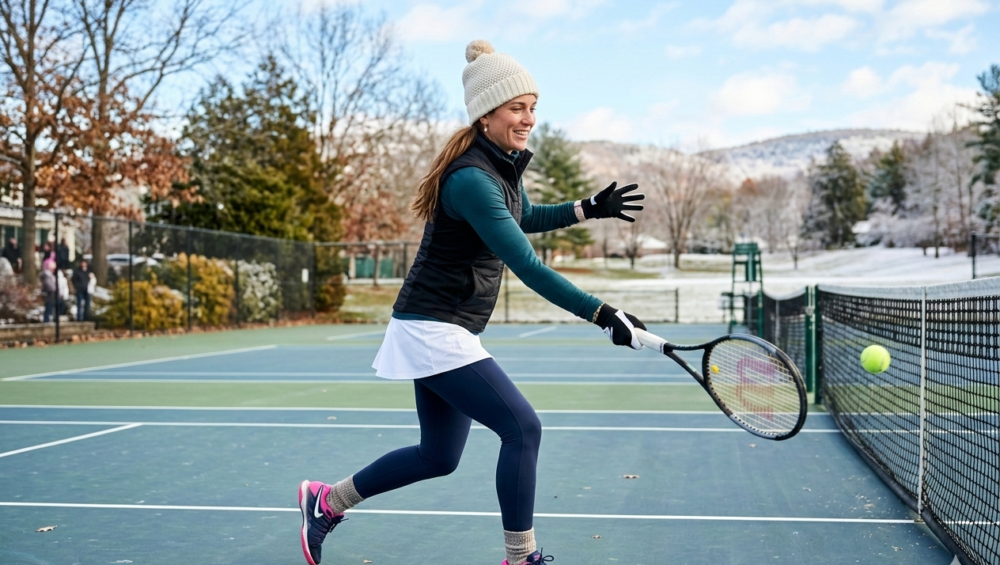
How To Get Better at Tennis?

Have you ever played tennis and felt stuck, even after practicing many times? 5 Tips on How to Get Better at Tennis can help you improve step by step and enjoy the game more.

Tennis is a game of skill, movement, and focus. Many players want to get better but do not know where to start. Some hit the ball hard but miss often. Others move slowly or lose focus during long matches. Improvement does not happen in one day. It happens with the right habits and simple changes.

This blog explains tennis improvement in an easy way. You do not need to be a professional. You just need patience and practice. Each tip focuses on one key area. When you work on these areas together, your tennis level will grow naturally and steadily.


Focus on Proper Tennis Technique

Good tennis starts with good technique. If your technique is weak, improvement becomes slow. Many players hit the ball with only their arm. This causes mistakes and weak shots. Instead, use your whole body. Turn your shoulders. Bend your knees. Follow through after every shot. These small actions make a big difference.

Grip is also very important. A wrong grip makes control difficult. Learn the basic grips like the forehand and backhand grip. Hold the racket firmly but not too tight. Relaxed hands allow better feel and control. When your grip feels right, your shots become cleaner and more accurate.

Technique improves with repetition. Practice slowly at first. Focus on form, not power. Over time, your body will remember the correct movement. As a result, your shots will become more consistent and confident.


Improve Footwork and Court Movement

Footwork is the base of good tennis. Many players focus only on hitting the ball. They forget about movement. If your feet are slow, your shots will suffer. Good footwork helps you reach the ball early. It also helps you stay balanced during shots.

Always stay light on your feet. Bend your knees slightly. Move using small, quick steps. Avoid standing flat-footed. After every shot, return to a ready position. This prepares you for the next ball. Side steps and quick turns help you cover the court better.

You can improve footwork with simple drills. Practice shadow movement without a ball. Use cones to train direction changes. Over time, movement becomes natural. Better footwork leads to better shots and fewer mistakes.


Practice Consistency Before Power

Many beginners try to hit the ball too hard. This causes errors. Tennis is not about power first. It is about control and consistency. Keeping the ball in play wins more points than hitting hard shots.

Focus on rallying. Aim to hit the ball over the net safely many times. Choose high, safe shots with good net clearance. Do not rush for winners. Patience helps you stay calm and focused during rallies.

As consistency improves, power will come naturally. Strong technique and timing create power without extra effort. Players who stay consistent force opponents to make mistakes. This is one of the smartest ways to win matches.


Build Mental Strength and Focus

Tennis is a mental game. One mistake can affect the next point. Many players lose focus after errors. This leads to more mistakes. Learning to stay calm is very important.

Accept mistakes as part of the game. Every player makes errors. Instead of getting angry, reset your mind. Take a deep breath. Focus on the next point. Positive thinking helps maintain confidence.

Set small goals during matches. Focus on one point at a time. Avoid thinking about winning or losing. Strong mental focus improves decision-making. Over time, mental strength becomes one of your biggest advantages.


Train Regularly and Smartly

Improvement needs regular practice. Playing once a week is not enough. Try to practice several times a week, even for short sessions. Consistency builds skill faster than long, rare sessions.

Mix your training. Practice strokes, serves, and footwork. Play practice matches. Also include fitness training. Strength and stamina help during long rallies and matches.

Rest is also important. Your body needs time to recover. Avoid overtraining. Smart training balances effort and rest. This keeps you healthy and motivated to improve.


Conclusion

Following these 5 Tips On How To Get Better at Tennis can help you grow with confidence and enjoyment.

Focus on technique. Move your feet well. Stay consistent. Build mental strength. Train smart and often. Improvement takes time, but progress will come. Enjoy the journey. Tennis becomes more fun as you get better with every step.


FAQs

How long does it take to get better at tennis?
Improvement depends on practice and focus. With regular training, most players see progress in a few weeks. Big improvement takes months. Stay patient and consistent.

Should beginners focus more on lessons or playing matches?
Both are important. Lessons build correct technique. Matches build experience. A balance of both helps faster improvement.

Is fitness important for tennis improvement?
Yes. Fitness improves speed, balance, and stamina. Simple exercises help players perform better and avoid injury.

How many times a week should I practice tennis?
Three to four times a week is ideal. Even short sessions help if done regularly.

Can older players still improve at tennis?
Yes. Age does not stop improvement. Smart training and proper technique help players of all ages get better.

How to Start a Volleyball Club Team: 10 Essential Tips

Have you ever dreamed of building your own volleyball club team but did not know where to begin? How to Start a Volleyball Club Team: 10 Essential Tips will guide you step by step in a simple and clear way. Starting a volleyball club team is exciting. It brings players together. It builds teamwork. It also creates a strong sports community. However, starting a team needs planning and patience. You must think about players, coaches, money, and rules. If these things are not clear, the team may struggle.

This guide is made for beginners. You do not need special experience. You only need passion and effort. Each tip below explains one important step. When you follow them in order, starting your volleyball club becomes easier and more successful.

Tip 1: Define the Purpose and Vision of Your Team

Every volleyball club needs a clear purpose. First, decide why you are starting the team. Is it for fun, youth training, or competitive play? A clear goal helps guide all decisions later. Without purpose, the team may lose direction.

Next, create a simple vision. Think about where you want the team to be in one or two years. This vision helps players stay motivated. It also helps parents and sponsors understand your goals. A strong vision keeps everyone focused and united.

Tip 2: Choose the Right Age Group and Skill Level

Selecting the right age group is very important. Some teams focus on kids. Others focus on teens or adults. Decide who your team is for. This affects coaching style, training level, and competition choice.

Skill level matters too. Beginners need more basic training. Advanced players need higher-level drills. Mixing very different skill levels can be difficult. Clear age and skill rules help players feel comfortable and confident.

Tip 3: Find a Qualified and Passionate Coach

A good coach is the heart of the team. The coach teaches skills and builds discipline. More importantly, the coach motivates players. Look for someone who understands volleyball and enjoys teaching.

The coach should also communicate well. They must be patient and supportive. A positive coach creates a safe learning environment. This helps players grow faster and enjoy the game more.

Tip 4: Secure a Practice Facility and Court Time

Your team needs a place to practice. Look for school gyms, sports halls, or community centers. Make sure the court is safe and available regularly. Consistent practice time helps players improve steadily.

Also, consider location and cost. Choose a place that is easy to reach. Affordable facilities help keep team fees low. Reliable court access builds strong routines and commitment.

Tip 5: Register the Team and Follow Local Rules

Most volleyball teams must register with a sports association. Registration allows your team to join leagues and tournaments. It also adds trust and professionalism.

Learn local rules and safety guidelines. This includes player age limits, insurance, and uniforms. Following rules protects players and the club. It also avoids problems in the future.

Tip 6: Build a Strong and Balanced Player Roster

A good team needs balance. Recruit players for different positions. This includes setters, hitters, blockers, and defenders. Balanced teams perform better during matches.

Avoid recruiting too many players. Large teams reduce playing time. Fair opportunities keep players happy. Clear communication during tryouts helps build trust and respect.

Tip 7: Plan Training Sessions and Development Programs

Training should be structured. Each session should have a goal. Focus on skills, teamwork, and fitness. Clear plans make practice effective and enjoyable.

Include drills, game play, and feedback. Also, track player progress. Development programs help players see improvement. This keeps motivation high and reduces dropouts.

Tip 8: Manage Budget, Fees, and Sponsorships

Money management is very important. Create a simple budget. Include costs for courts, equipment, uniforms, and travel. Clear budgets avoid surprises.

Set fair player fees. Keep them affordable. Look for sponsors if possible. Sponsors help reduce costs and support growth. Transparency builds trust with parents and players.

Tip 9: Promote the Team and Build Community Support

Promotion helps your team grow. Use social media, flyers, and local events. Share practice photos and match results. This builds excitement and visibility.

Community support is powerful. Engage parents, schools, and local businesses. Supporters help with events and encouragement. Strong community ties help the club last longer.

Tip 10: Create a Positive Team Culture and Values

Team culture shapes behavior. Set clear values like respect, teamwork, and discipline. These values guide actions on and off the court.

Encourage communication and fairness. Celebrate effort, not just wins. A positive culture builds confidence and loyalty. Players stay longer and perform better together.

Conclusion

Following How to Start a Volleyball Club Team: 10 Essential Tips helps turn your idea into a successful reality.

Starting a volleyball club takes time and effort. Clear goals, good planning, and strong teamwork make the journey easier. When players feel supported and valued, the club grows naturally. With patience and passion, your volleyball team can thrive for years.

FAQs

How long does it take to start a volleyball club team?
It usually takes a few months. Time is needed for planning, registration, and recruiting players. Starting early helps everything run smoothly.

Do I need experience to start a volleyball club?
No. Passion and organization matter most. Hiring a qualified coach covers technical skills. Learning along the way is normal.

How many players should a volleyball club team have?
Most teams have 10 to 14 players. This allows rotation and rest while keeping playing time fair.

Is insurance required for a volleyball club?
Yes, in many areas. Insurance protects players and staff. It also builds trust with parents and facilities.

Can a volleyball club be profitable?
Some clubs earn money, but most focus on development. Good planning and sponsorships help manage costs effectively.

Select the fields to be shown. Others will be hidden. Drag and drop to rearrange the order.
  • Image
  • SKU
  • Rating
  • Price
  • Stock
  • Availability
  • Add to cart
  • Description
  • Content
  • Weight
  • Dimensions
  • Additional information
Click outside to hide the comparison bar
Compare
Shopping cart close