Differences Between Baseball and Soccer Cleats
Do you ever wonder why some cleats feel right for one sport but wrong for another? Key Differences Between Baseball & Soccer Cleats matter because each sport has its own moves, surfaces, and needs. Baseball and soccer look similar from far away. Players run. They stop fast. They change direction. But the sports are very different. Because of this, their shoes are also very different. Cleats help players grip the ground. They also help protect the feet. Choosing the wrong cleats can cause pain. It can also cause slips and injuries. So, it is very important to understand the differences.
In this guide, we only explain everything. We use easy words. We use short sentences. We also use clear examples. You will learn how baseball cleats work. You will also learn how soccer cleats work. Step by step, the differences will become clear. In the end, you will know which cleats fit which sport. This will help players, parents, and buyers make informed choices.
Playing Surface and Ground Contact
Baseball and soccer are played on very different surfaces. This is the first big difference. Baseball is often played on dirt, grass, and clay. Soccer is mostly played on natural grass or artificial turf. Because of this, cleats are made in different ways. The studs under the shoes are shaped for the ground they touch. This helps players stay balanced. It also helps them move safely.
Baseball cleats are built for short bursts of movement. Players run fast, then stop. They slide into bases. They push off hard when batting or pitching. So, baseball cleats often have metal or hard plastic studs. These studs dig deep into dirt and clay. They give strong grip. Soccer cleats, on the other hand, are made for constant running. Players move for long time. They turn, pass, and sprint. So, soccer cleats have many shorter studs. These studs spread pressure evenly. This helps on grass and turf.
Another key point is surface rules. Many leagues ban metal cleats for young players. This is for safety. Soccer almost never allows metal studs. Soccer cleats must be safe for player-to-player contact. Baseball cleats focus more on grip with the ground than contact with others. Because of these surface needs, players should never mix cleats. Using the wrong cleats can damage fields. It can also increase injury risk.
Stud Shape and Stud Pattern
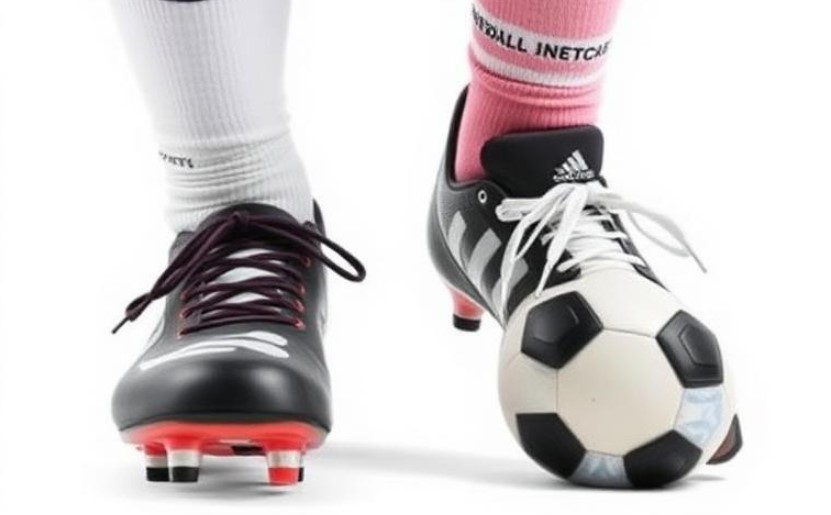
Stud shape is a major difference between the two types of cleats. Baseball cleats usually have fewer studs. These studs are longer and sharper. Many times, there is a toe stud at the front. This toe stud helps players push off when running or batting. It gives extra power. Soccer cleats never have a toe stud. This is a very important rule.
Soccer cleats have many small studs. These studs are round or blade-shaped. They are spread across the sole. This helps with balance and smooth movement. Soccer players use all parts of the foot. They pass. They shoot. They trap the ball. So, the stud pattern must allow quick turns and steady footing. Baseball players do not need that same foot control with a ball. They need fast starts and stops.
The stud pattern also affects safety. A toe stud in soccer could hurt another player. That is why it is banned. Soccer is a contact sport. Players often step near each other. Baseball has less close contact. So, the stud design can be more aggressive. This clear difference shows why each sport needs its own cleats.
Toe Stud Difference
One of the clearest signs of baseball cleats is the toe stud. This stud sits right at the front of the shoe. It helps baseball players dig into the ground. When a player runs to first base, the toe stud gives extra grip. It also helps during pitching and fielding. This small detail makes a big difference in baseball.
Soccer cleats do not have a toe stud. This is not a design choice. It is a safety rule. Soccer players kick the ball with the front of the foot. A toe stud could hurt the ball control. It could also injure other players during tackles. So, soccer cleats have a smooth toe area. This allows better touch and control.
This one feature alone can tell you which cleat is which. If you see a toe stud, it is not for soccer. Using baseball cleats in soccer can be dangerous. It can also be illegal in matches. So, always check the toe area before buying or wearing cleats.
Shoe Weight and Speed
Weight matters a lot in sports shoes. Baseball cleats are often heavier. They need to be strong. They must handle sliding and hard stops. They also need to last through rough play. Because of this, they use thicker materials. This adds weight but increases durability.
Soccer cleats are made to be light. Players run for long time. A full match can last 90 minutes or more. Light shoes help reduce fatigue. They also help players move faster. Thin materials and low-cut designs keep the shoe light. This supports speed and comfort.
Because of this difference, wearing the wrong cleats can slow a player down. Heavy baseball cleats can make soccer players tired faster. Light soccer cleats may not protect baseball players enough. So, weight is not just about comfort. It is about performance and safety, too.
Ankle Support and Cut Style
Baseball cleats often come in mid-cut or high-cut styles. These styles support the ankle. This is helpful when sliding or making sudden stops. The extra support can reduce ankle injuries. Many baseball players like this secure feel. Soccer cleats are mostly low-cut. This allows free ankle movement. Soccer players need flexibility. They twist, turn, and pivot often. A low-cut shoe helps with this. It also makes the shoe lighter.
Some soccer cleats now offer sock-like collars. These give light support without stiffness. Still, they are very different from baseball cleats. The cut style matches the sport’s movement needs. This is another reason why cleats are not interchangeable.
Material and Upper Design
The upper part of the shoe covers the foot. Baseball cleats use strong materials. These materials resist wear from dirt and sliding. Leather and thick synthetic fabrics are common. The goal is protection and strength.
Soccer cleats use thinner materials. The goal is touch and control. Players need to feel the ball. Soft leather or thin synthetic uppers help with this. Some cleats even mold to the foot shape. Because of this, soccer cleats feel like a second skin. Baseball cleats feel more like armor. Each design fits the sport’s needs. Mixing them can reduce performance.
Comfort and Fit
Comfort is important in both sports. But the fit feels different. Baseball cleats often have a wider toe box. This helps during batting and standing. Players are not always running. Soccer cleats are usually tighter. A snug fit helps with ball control. There should be little extra space. This can feel strange to new players. But it helps improve skills. Choosing the right fit is key. A wrong fit can cause blisters and pain. Always try on cleats for the right sport.
Rules and League Standards
Rules matter a lot. Baseball leagues may allow metal cleats. Soccer leagues usually do not. Youth leagues are even stricter. These rules protect players and fields. Soccer rules ban toe studs and metal spikes. Baseball rules focus more on age and level. Always check league rules before buying cleats. Ignoring rules can lead to disqualification. It can also cause injuries. So, the rules are a big difference to remember.
Movement Style and Player Actions
Baseball has short, sharp movements. Sprinting and stopping are common. Cleats support this style. They grip hard and fast. Soccer has constant movement. Players jog, sprint, and turn for a long time. Cleats support smooth motion. This difference shapes the shoe design. Movement style affects every part of the cleat. From studs to weight, everything is linked.
Durability and Wear
Baseball cleats face rough use. Dirt and sliding cause damage. So, they are built tough. Soccer cleats are worn differently. Grass and turf cause less scraping. But long use can still wear out studs. Durability needs depend on the sport. Buying the right cleats saves money over time.
Price and Value
Baseball cleats can cost more. Metal studs and a strong build raise the price. Soccer cleats range widely. You can find good options at many prices. Value comes from using the right cleats. Worn-out cleats wear out faster.
Can You Use One for the Other?
Many people ask this question. The simple answer is no. Baseball cleats are not safe for soccer. Soccer cleats do not work well for baseball. Each sport needs its own design. Using the right cleats improves safety and play.
Conclusion
Understanding the Key Differences Between Baseball & Soccer Cleats helps players make better choices. Each sport has unique needs. The cleats match those needs. From studs to weight, every detail matters. Using the right cleats improves comfort, safety, and performance. Always choose cleats made for your sport. This simple step makes a big difference.
FAQs
Can I wear baseball cleats for soccer?
No. They have toe studs and can be unsafe.
Are soccer cleats lighter than baseball cleats?
Yes. Soccer cleats are made for long running.
Why do baseball cleats have a toe stud?
It helps with fast starts and grip.
Do soccer cleats work on dirt?
No. They are made for grass or turf.
Which cleats are better for beginners?
Always choose cleats made for the sport you play.